The role of the facility manager has undergone tremendous transformation over the past years. Facilities management was beginning to digitally transform to accommodate the emerging needs of the enterprise before the onset of the pandemic. Today, however, facility managers are tasked with much more than simply maintaining the facilities and cutting costs.
Whether induced and influenced by the pandemic, technological advancements, or simply the evolution of the workplace, the facility manager’s role has become that of the enabler of a future-ready workplace.
Drivers of Human Experience
Today, enterprises are working hard to create the best spaces and infrastructure to attract and retain the best talent. They need to accommodate the shifting needs of the workforce as millennials and GenZ become the dominant demographic at work.
With all these shifts, facility management no longer remains a back-end function but one that can significantly drive human experience. Facility managers have to now go beyond BAU delivery. They must become the drivers of human experience, performance, talent attraction, and retention and ensure employee safety in a dynamic, multi-site environment.
Enablers of the New World of Work
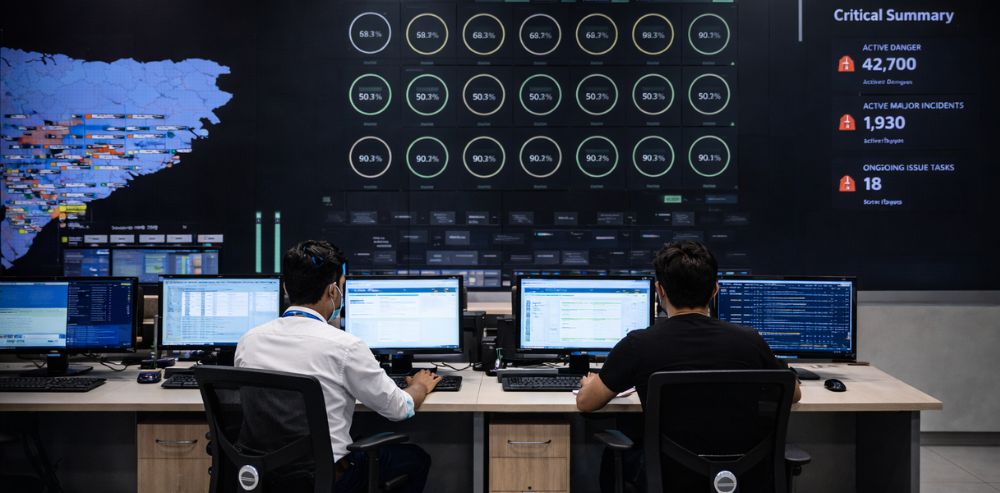
Facility managers are now the superheroes driving the new, hybrid world of work. Ensuring employee safety, security and well-being has now become their responsibility. Robust facility management demands that these managers work towards reducing risk and increasing both statutory and operational compliance.
The facility manager also has to closely follow corporate strategies like technology adoption and employee engagement and become the enabler of workplace productivity. Facility managers, thus, have to meet the new demands of a global marketplace driven by advancing technology.
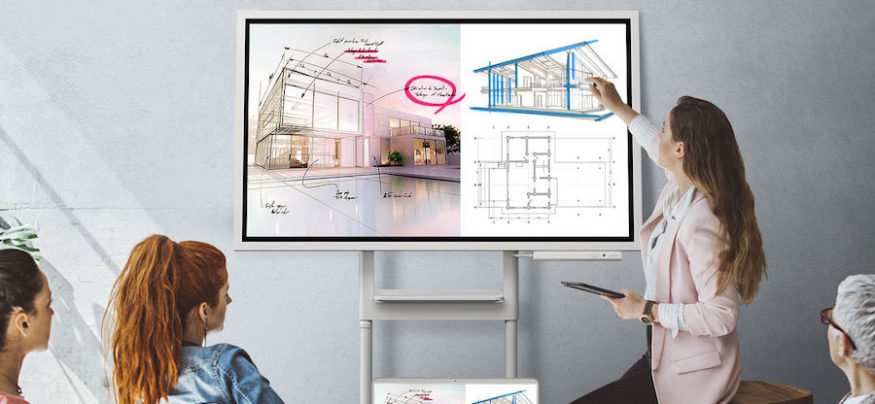
For example, they have to nurture proper communications and implement audio-visual systems to remove proximity barriers to enable collaboration and/or drive smooth and impressive client interactions. This is because the ‘facility’ or the workplace now has to be as impressive virtually as it is in its physical state.
The Drivers of Employee Engagement
The world of work has assumed a hybrid avatar. As a result, the challenge of driving employee engagement has surfaced. To that end, facility managers now assume a pivotal role in helping enterprises remove proximity barriers and create an ecosystem that allows everyone to interact seamlessly.
Facility managers must now ensure that they can help the enterprise adapt to create equal experiences for remote and in-office employees. They have to now harness the power of cutting-edge AV solutions to power up their meeting rooms and use customised unified communication solutions to facilitate information sharing in a geographically agnostic manner.
Facilitating smooth and easy conversations and enabling remote employees to communicate and collaborate easily with their colleagues and teams by removing proximity barriers promotes employee engagement in a hybrid workplace.
Enablers of Innovation Through Collaboration
Facility managers today are the custodians of workplace experience. They have to now ensure that they create the systems that facilitate seamless communication in a disparate work environment where change and disruption are constant.
They must create effective and experiential workplaces that foster innovation through collaboration. This involves developing effective and impactful personal experiences at work, irrespective of where work happens.
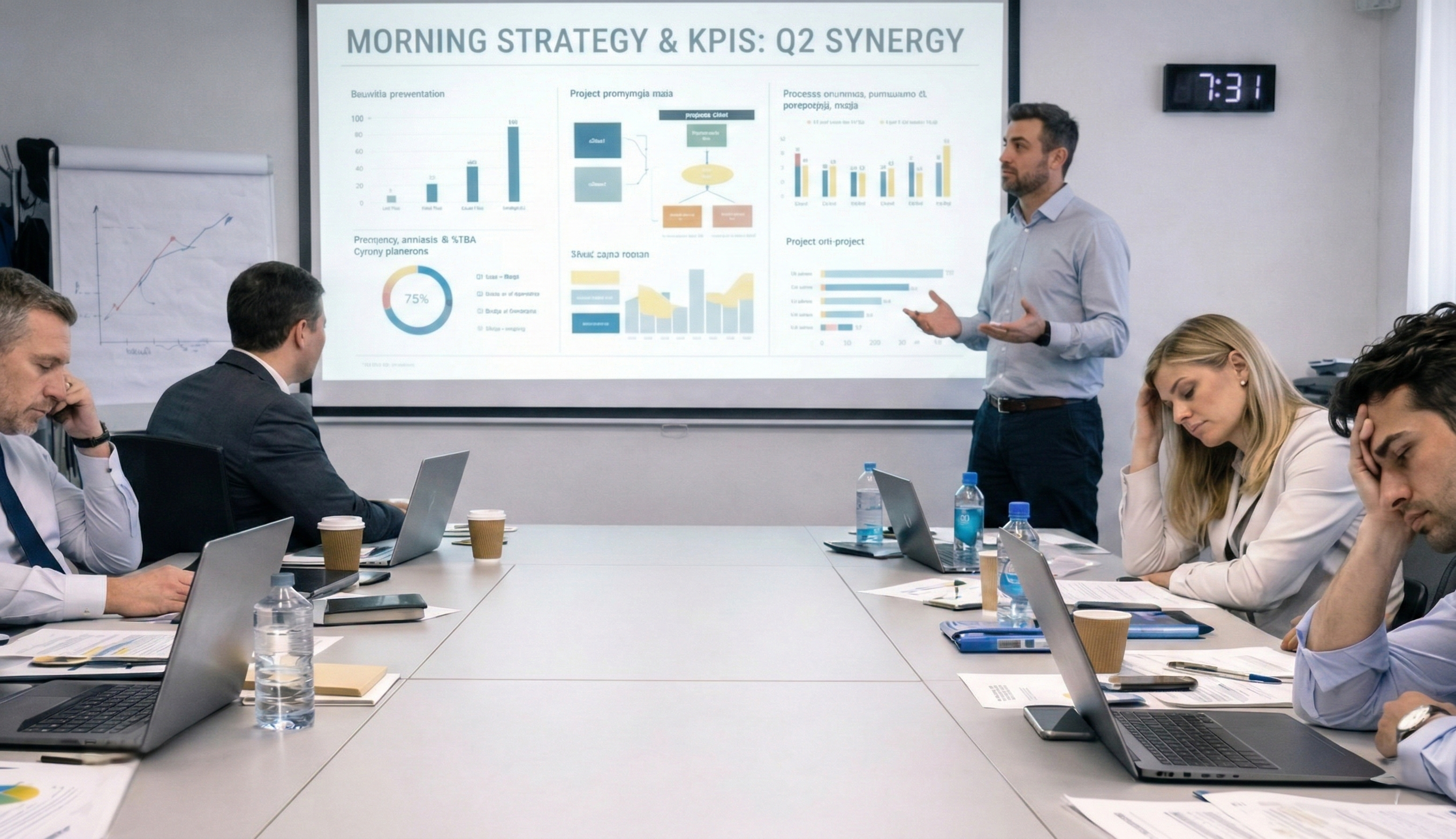
Favourably, facility managers can now identify ways to bolster collaboration using cutting-edge technology solutions. They can implement a strong communication infrastructure and heighten collaboration opportunities using AV solutions like Microsoft Teams.
Enabling Upskilling and Reskilling Initiatives
Upskilling and reskilling initiatives have invariably been core HR functions. But they are also beginning to show up on the facility managers’ scorecards. Their responsibilities now extend beyond equipment and tools and move towards enabling human assets.
Today, upskilling, reskilling, and employee training become organisational prerogatives in the face of shifting industry demands, evolving employee focus on personal and professional development, and technology-driven changes. Therefore, facility managers have to create the right systems, processes, and infrastructure that allow organisations to meet these shifting demands in a hybrid, geographically disparate work environment.
The advancement of facility management has come to cover everything that goes into enabling human resources to work effectively. They have to create the infrastructure with the right digital upgrades that expand the enterprise’s capacity to deliver impactful upskilling and training programs relevant to today’s work environment.
As such, just like how training teams and HR work to create impactful training programs, the facility manager becomes responsible for creating the appropriate infrastructure for training delivery to ensure program success.
Conclusion
The role of the facility manager emerged around the 1970s. It was through and through related to maintaining the facilities and addressing the areas that needed attention.
With time, the facility manager’s role has moved beyond simple building management. Today, the facility manager is responsible for ensuring that they:
- Deliver the infrastructure and the tools and technology that focus on the everyday elements that allow a business to function seamlessly
- Drive collaboration and innovation effortlessly and deliver impressive workplace experiences to both employees and clients
Learn more about how AV solutions can drive efficient facility management. Book a free consultation today!