Why Public Infrastructure Projects Are Being Evaluated Through Response Simulations
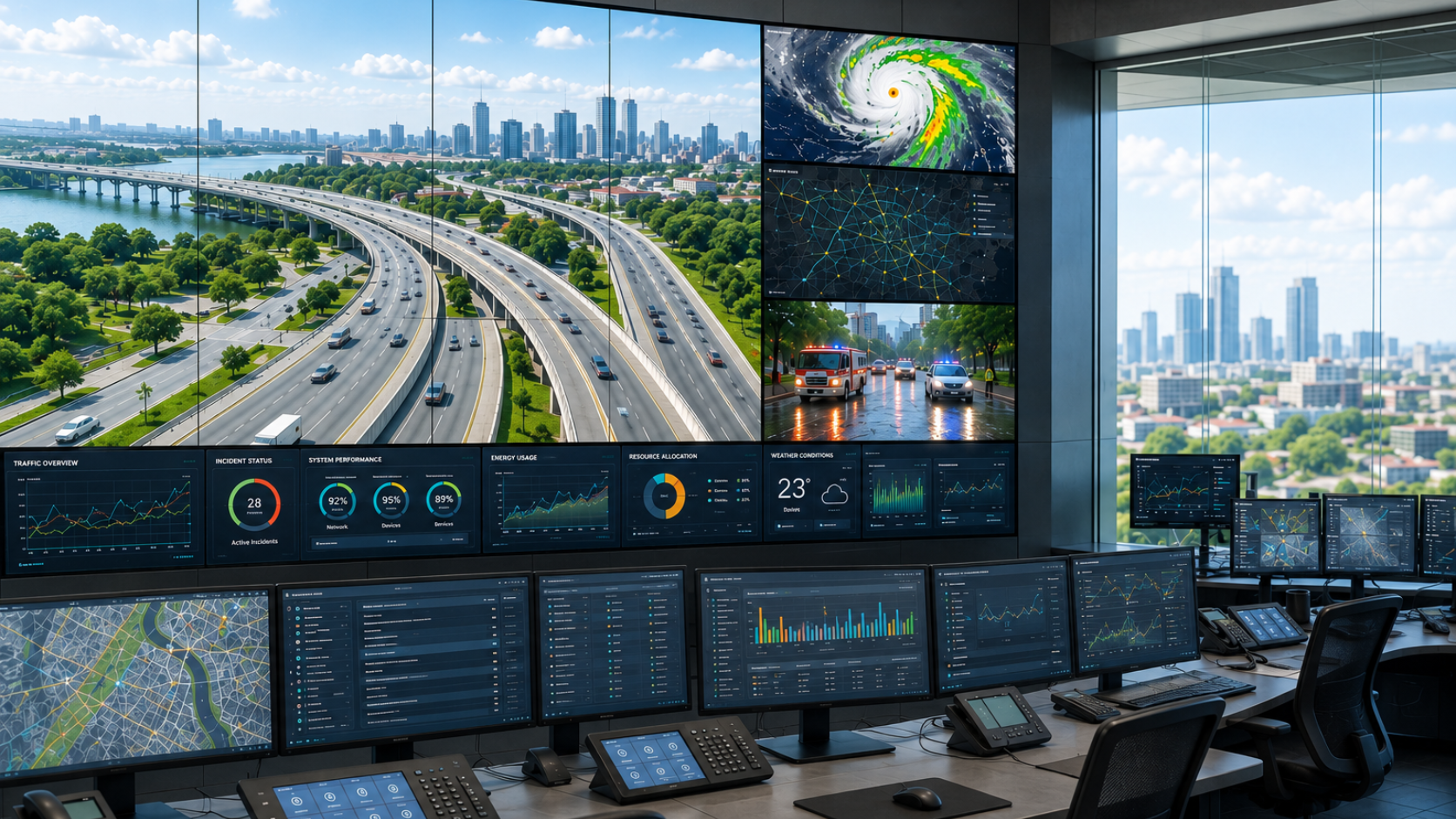
See how government agencies use response simulations to identify risks early, improve planning, and deliver more resilient infrastructure.
Read moreBlogs - Posted on August 28, 2026
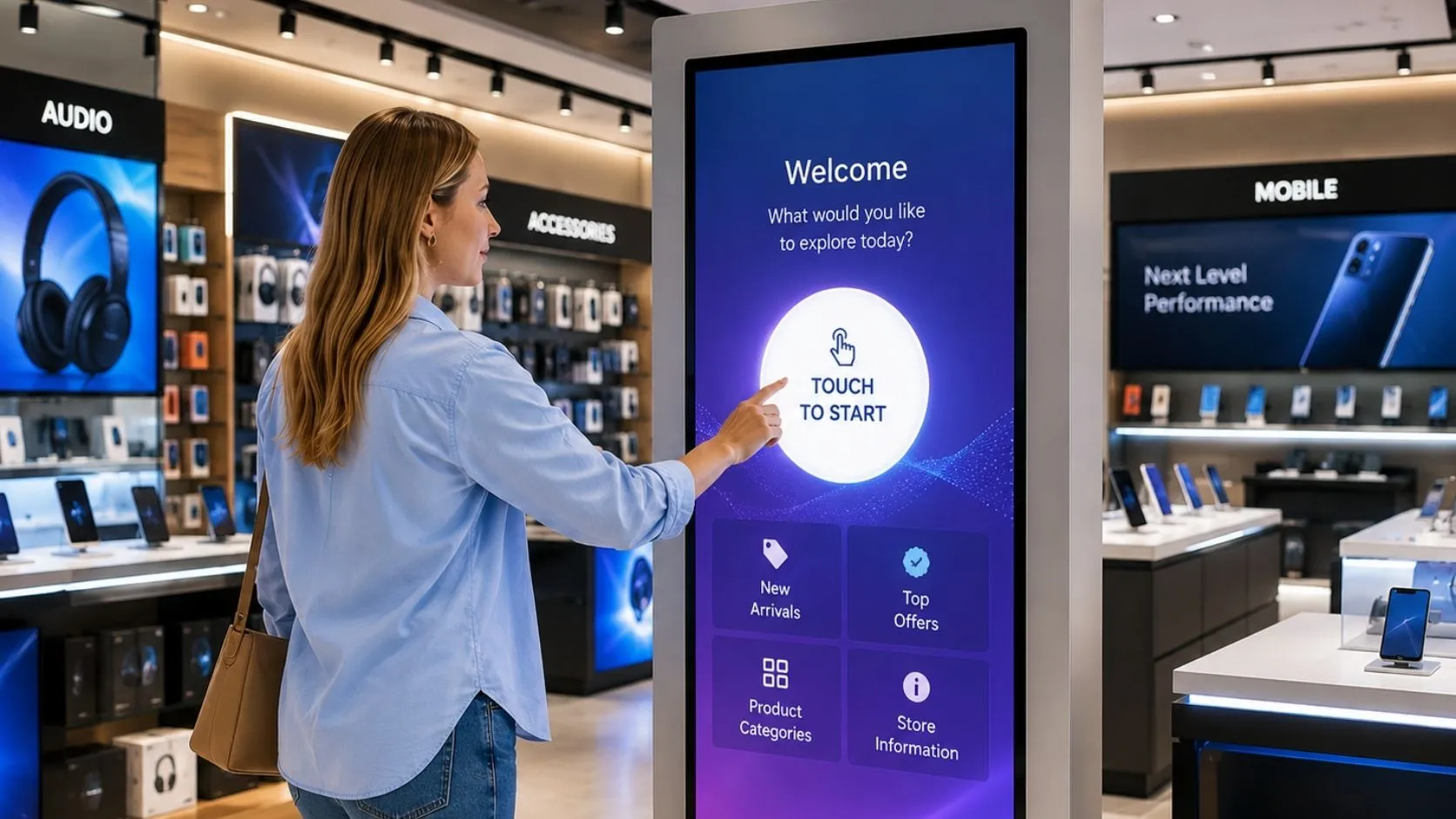
Retail stores now use digital displays and real-time messages for inventory, staff work, customer help, and daily operations beyond simple promotions.
Retail stores once treated digital screens as simple ad boards. You walked in and saw price tags or sale banners. That setup limited the value of the technology. Today, the same screens and message systems serve the full store team. They support stock checks, staff tasks, customer directions, and quick responses to daily changes. This shift puts communication tools in the hands of operations, inventory, and floor teams, not only the marketing group.
The change starts with clear needs on the sales floor. Staff need fast updates on what sits in the back room. Customers need help finding items without waiting for an associate. Managers need ways to shift people and stock when foot traffic rises, or a delivery arrives late. Digital tools meet these needs when they link to live data and reach every corner of the store.
Inventory work used to rely on paper lists or radio calls. A stockout on the shelf often stayed hidden until a customer asked. Integrated displays change this. Screens near product bays show current counts pulled from the warehouse system. Staff sees low-stock alerts the moment levels drop. They restock before the shelf empties.
Take a mid-size apparel store. A display above the denim section flashes a message when sizes run low. The system also lists the exact shelf location in the stockroom. An associate grabs the items and returns in minutes. No long search or lost sales. The same screen updates the count once the stock arrives so every team member stays aligned.
You gain speed and accuracy. Errors fall because the data comes from one source. Staff spend less time walking the floor with clipboards. Managers track which zones need attention without calling every person.
Store teams move constantly. One associate helps a customer while another handles a return and a third covers the fitting rooms. Paper schedules and verbal handovers leave gaps. Real-time messaging fills them.
Digital boards in the break room or near the registers show current assignments. A manager posts a note about a busy checkout line. Staff see it and shift positions without a loudspeaker call. Mobile devices linked to the same system let workers receive tasks while they walk the aisles.
Consider a grocery chain during the festive rush. A display near the produce section lists open tasks: restock bananas, check the dairy cooler, open another till. Associates mark tasks complete on a shared tablet. The board refreshes so the next person knows what remains. This cuts confusion and keeps coverage even.
You keep the team focused. Communication stays quiet and precise. Customers notice smoother service because staff spend less time searching for each other.
Customers arrive with a list or a vague idea of what they need. Long aisles and changing layouts create friction. Wayfinding screens and interactive displays remove that friction.
Large boards at the entrance map the store layout and mark current promotions. Touch screens let a shopper search for an item and receive a path with turn-by-turn directions. Smaller screens along the route confirm they head the right way.
In a home goods store, a customer looks for a specific lamp. She taps the search on a kiosk. The screen shows aisle 12, bay 4, and a photo of the product. An arrow appears on nearby displays as she walks. She reaches the item without asking staff. The same system logs popular searches so the store can adjust layout later.
You reduce the time customers spend lost. Staff frees up for higher-value help such as product advice. The store feels easier to use, and shoppers leave with what they came for.
Retail days rarely follow the plan. A delivery truck runs late. Weather keeps foot traffic low. A product recall hits one category. Digital communication lets the store react in minutes rather than hours.
Central systems push updates to every screen and device at once. A manager marks a section closed for restocking. Displays redirect customers to nearby alternatives. Staff receive the same note on their devices and move to support other zones.
A pharmacy chain faces a sudden shortage of a common item. The system updates shelf-edge screens and the main entrance board. It suggests substitutes and notes the expected restock date. Floor staff see the change and prepare answers for questions. The store avoids empty promises and keeps trust intact.
You respond faster to problems. Decisions travel from the back office to the floor without delay. The whole team works from the same information.
Audio-visual systems form the backbone of this wider communication approach. Screens, speakers, and interactive stations deliver the messages. They work best when designed as one network rather than separate pieces.
Key results you see with these tools include:
These systems keep the store consistent. Content updates from one place reach every screen. Staff and customers receive matching information.
Resurgent supplies the integrated AV solutions that support this full approach. Retail spaces grow more experiential and personal through the right audio & video setup. Interactive platforms improve the shopping trip. Specialised systems match the brand look of each location.
The range covers digital signage, digital wayfinding solutions, and public address systems. Features focus on personal customer interactions that give one-to-one virtual assistance when needed. We help the store stand out with engaging content that holds attention. Interactive wayfinding lets customers find the store and the exact product or service inside it.
Contact Resurgent today to discuss how these tools fit your stores. The right setup turns communication into a daily operations asset rather than a marketing side project.
1. What does retail communication look like beyond marketing promotions?
Stores now use digital displays and messages to update inventory levels, guide staff tasks, direct customers, and handle daily changes in real time.
2. How do digital screens help with inventory management?
Screens show live stock counts and low-level alerts so staff restock shelves before items run out and avoid lost sales.
3. Can these tools improve staff coordination on the floor?
Yes. Shared boards and devices post current tasks and shift notes so teams move to busy areas without constant radio calls or confusion.
4. How does wayfinding make shopping easier for customers?
Interactive maps and path displays help shoppers find products fast and reduce the time they spend searching or waiting for help.
5. Why should I contact Resurgent for retail AV solutions?
Resurgent provides digital signage, wayfinding, and public address systems that support inventory, staff, and customer needs so your store runs smoother.
See how government agencies use response simulations to identify risks early, improve planning, and deliver more resilient infrastructure.
Read more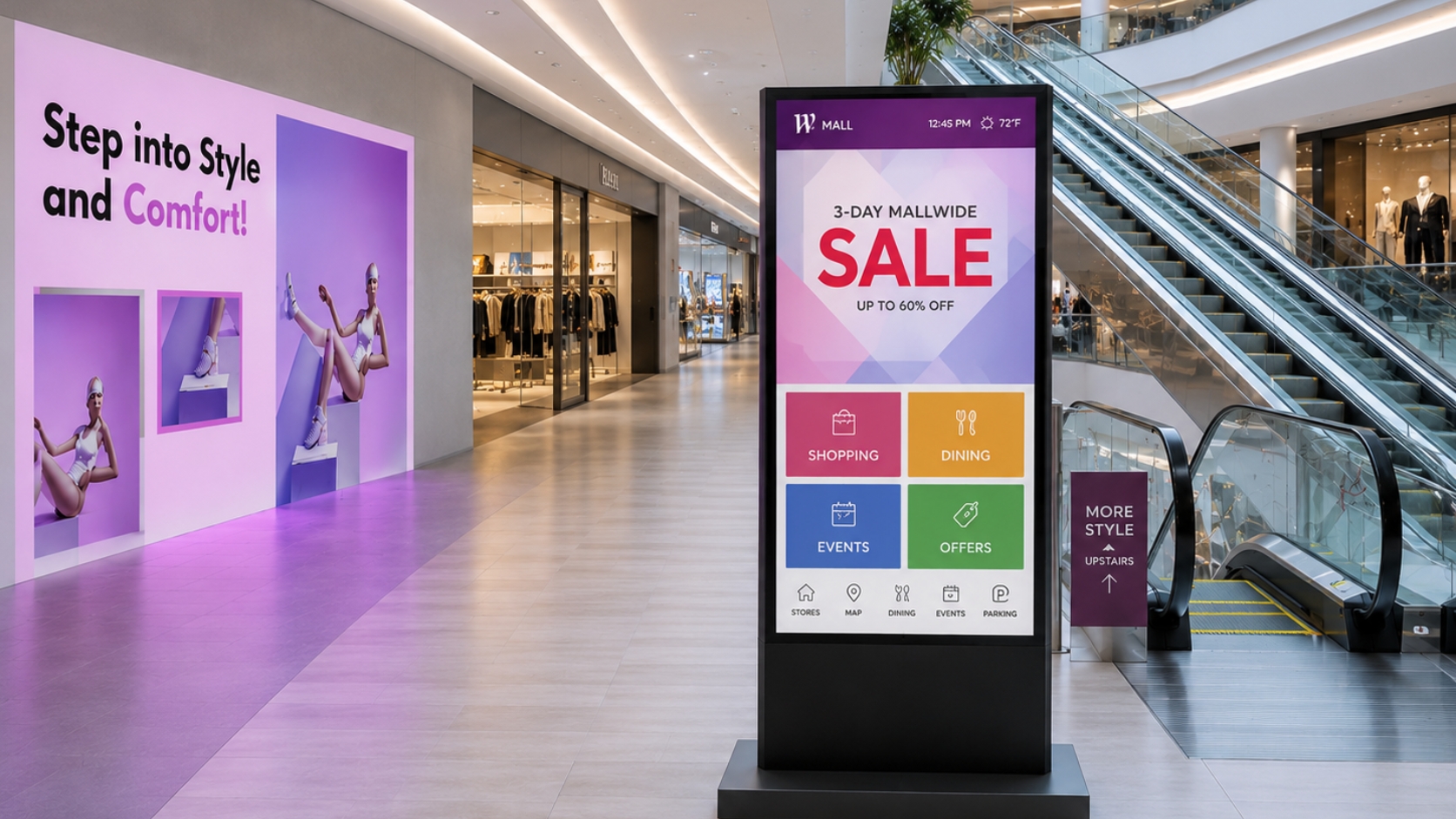
Discover why retail stores deliver different results despite identical strategies. Learn how environmental factors and AV solutions bridge the gap in execution. You launch a nationwide campaign. Every location receives the exact same instructions. Every store manager follows the identical layout guide. The marketing team sends the same promotional materials to every shop. Yet, results […]
Read more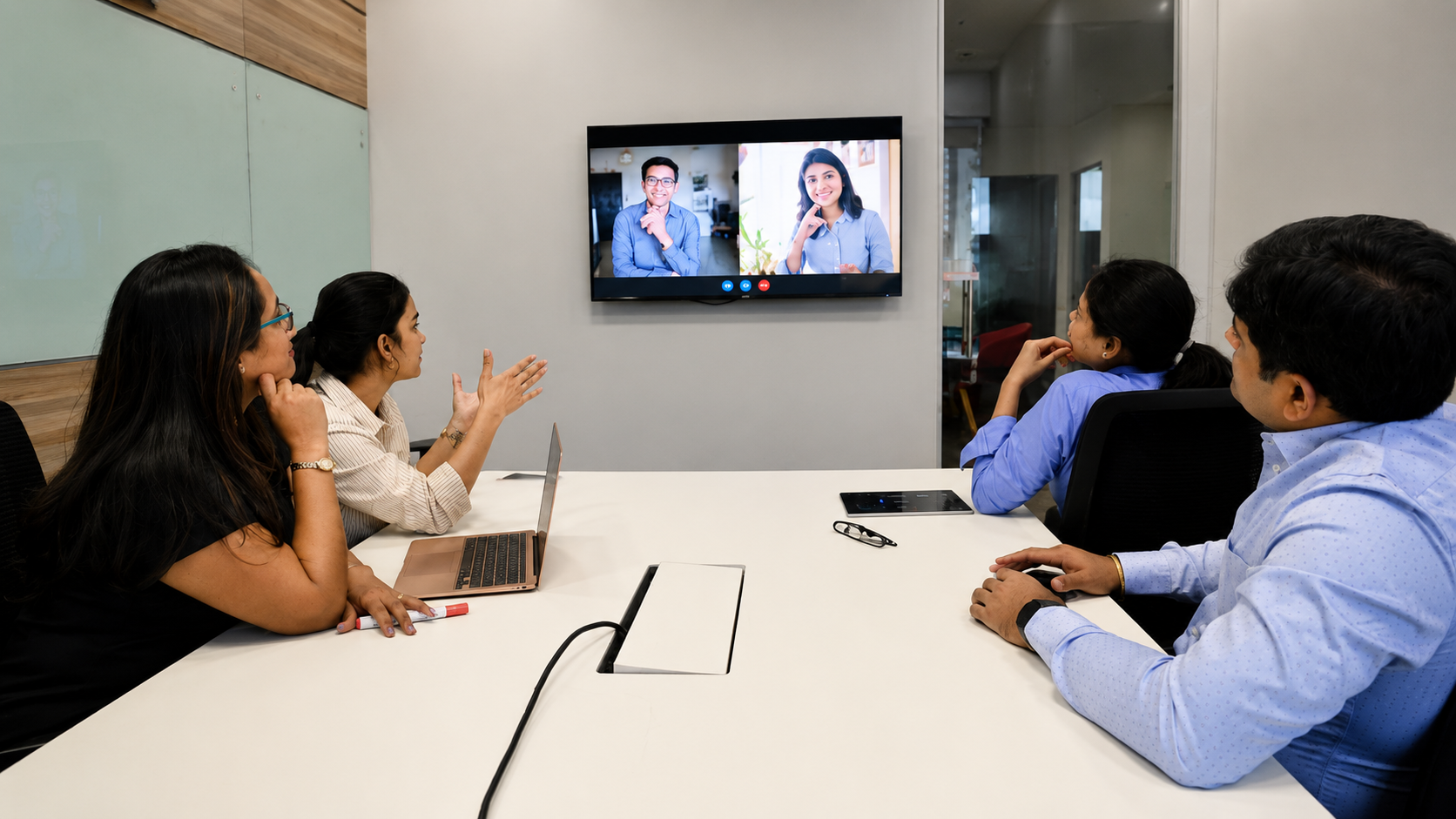
Learn why new managers struggle in hybrid team discussions and how to manage attention, participation, and authority across mixed work setups. You step into your first management role. You prepare for meetings. You know the agenda. You understand the goals. Then the meeting starts. Half the team sits in a room. The rest join from […]
Read moreCopyright @ 2026 Resurgent. All rights reserved.