How Retail Communication Is Moving Beyond the Marketing Team
Retail stores now use digital displays and real-time messages for inventory, staff work, customer help, and daily operations beyond simple promotions.
Read moreBlogs - Posted on June 29, 2026

See how government agencies use response simulations to identify risks early, improve planning, and deliver more resilient infrastructure.
Government agencies face pressure to deliver results. They manage roads. They oversee utility grids. They run emergency services. These projects involve high stakes. Mistakes cost money. Mistakes risk public safety. Traditional planning methods often fail when real-world variables change. That is why agencies now use response simulations before approval.
This approach changes how departments evaluate success. It shifts focus from static blueprints to dynamic operational flow.
Planners used to rely on spreadsheets. They modeled growth. They estimated traffic. They predicted usage. These methods look good on paper. They fail when the environment changes. A sudden storm hits. A grid failure occurs. A massive crowd event happens.
Static plans lack flexibility. They assume conditions stay the same. Real life does not work that way. When a project goes live, agencies often find gaps. They find bottlenecks. They find communication failures. These issues lead to delays. They cause budget overruns.
Response simulations act as a digital dress rehearsal. They use data to mimic real conditions. Agencies build digital models of the infrastructure. They insert variables like weather changes or traffic spikes.
These simulations test visibility. They test coordination. They test decision speed.
Consider a new transit station. Planners build a model. They simulate a busy rush hour. They simulate an emergency evacuation. They watch how staff react. They see if the command center displays clear data. They check if the audio communication stays crisp.
This process validates the design. It identifies weak points. Agencies fix these problems before they pour concrete. They fix them before they install expensive systems.
Testing prevents failure. It saves resources. It improves outcomes.
Simulations highlight hazards. If a data display lags during a fake emergency, engineers fix the software. If a room layout blocks a view, architects change the design. You fix problems in the digital space for a low price. You do not fix them on the construction site for a high price.
Command centers require precise information. Simulations show if the team receives the right data. They show if screens display content clearly. Agencies learn if the team makes decisions based on accurate visuals.
Infrastructure exists to serve citizens. Simulations show how project changes affect daily life. Will commuters face long waits? Will emergency response teams reach the scene in time? Simulations provide answers.
The provided table shows how these two methods differ in practice.
| Feature | Traditional Planning | Simulation Testing |
| Core Data | Historical averages | Real-time variables |
| Risk Assessment | Theoretical | Stress-tested |
| Adaptibility | Low | High |
| Failure Point | During operation | During design |
| Cost to Fix | Expensive | Low |
Simulations require robust technology. You need high-resolution displays. You need zero-latency data transfer. You need integrated audio systems.
If your simulation runs on low-quality screens, the team misses details. If the audio cuts out, the team loses coordination. The simulation becomes useless. This is where high-quality audiovisual infrastructure becomes a requirement.
Agencies require solutions that scale. They need systems that handle complex multimedia. They need facilities that support remote and local collaboration.
Resurgent provides the audiovisual infrastructure necessary for these environments. Your agency manages public services. You require precision. You require scalability. We offer the technology to ensure your command centers, boardrooms, and meeting rooms operate without friction.
We focus on the infrastructure that makes simulations and operations possible.
These rooms form the hub of your operation. We install display systems with zero latency. Your team monitors data streams without delay. They react to information as it happens.
Public sector agencies must discuss findings. We build facilities that support both local and remote participants. High-quality audio ensures every voice carries weight. Clear visual content ensures every participant understands the plan.
You must present findings to stakeholders. Our AV solutions ensure your presentations command attention. We install systems that handle large-scale multimedia content. Your message reaches the audience clearly.
Teams must learn to use new infrastructure. We equip training rooms with the tools your staff needs. Interactive displays and reliable audio systems speed up the learning process.
Let us look at a practical example. A city plans a new traffic control grid. They use a simulation.
The simulation shows a bottleneck. During high-traffic times, the system struggles to route vehicles. The command center displays show the congestion. But the operators cannot communicate fast enough.
Because of this simulation, the city makes changes. They install better monitors. They upgrade the audio system. They adjust the software protocols.
When the real project goes live, the system handles the traffic. The operators manage the flow. The city avoids a public disaster. The simulation saved the project.
Your agency wants to adopt this process. You need a path forward.
Infrastructure projects are complex. They affect the lives of many people. Do not build them based on guesses. Build them based on proven data. Use simulations to stress test your plans. Use Resurgent to build the infrastructure that makes these simulations possible.
Your agency works for the public. Your systems should reflect that responsibility. Precision is not optional. It is the standard.
Infrastructure validation creates confidence. It gives your team the right tools. It builds trust with the public.
Infrastructure projects are long-term commitments. Treat them as such. Use the best tools available. Rely on expertise that understands the public sector.
You need a partner that delivers scalable and precise audiovisual solutions. Resurgent offers the expertise to equip your facilities. From control rooms that demand zero latency to meeting rooms that foster collaboration, we provide the foundation for your success.
The environment changes fast. Ensure your agency is ready.
Contact us today to discuss your audiovisual needs. Let us build the infrastructure that ensures your agency functions at the highest level.
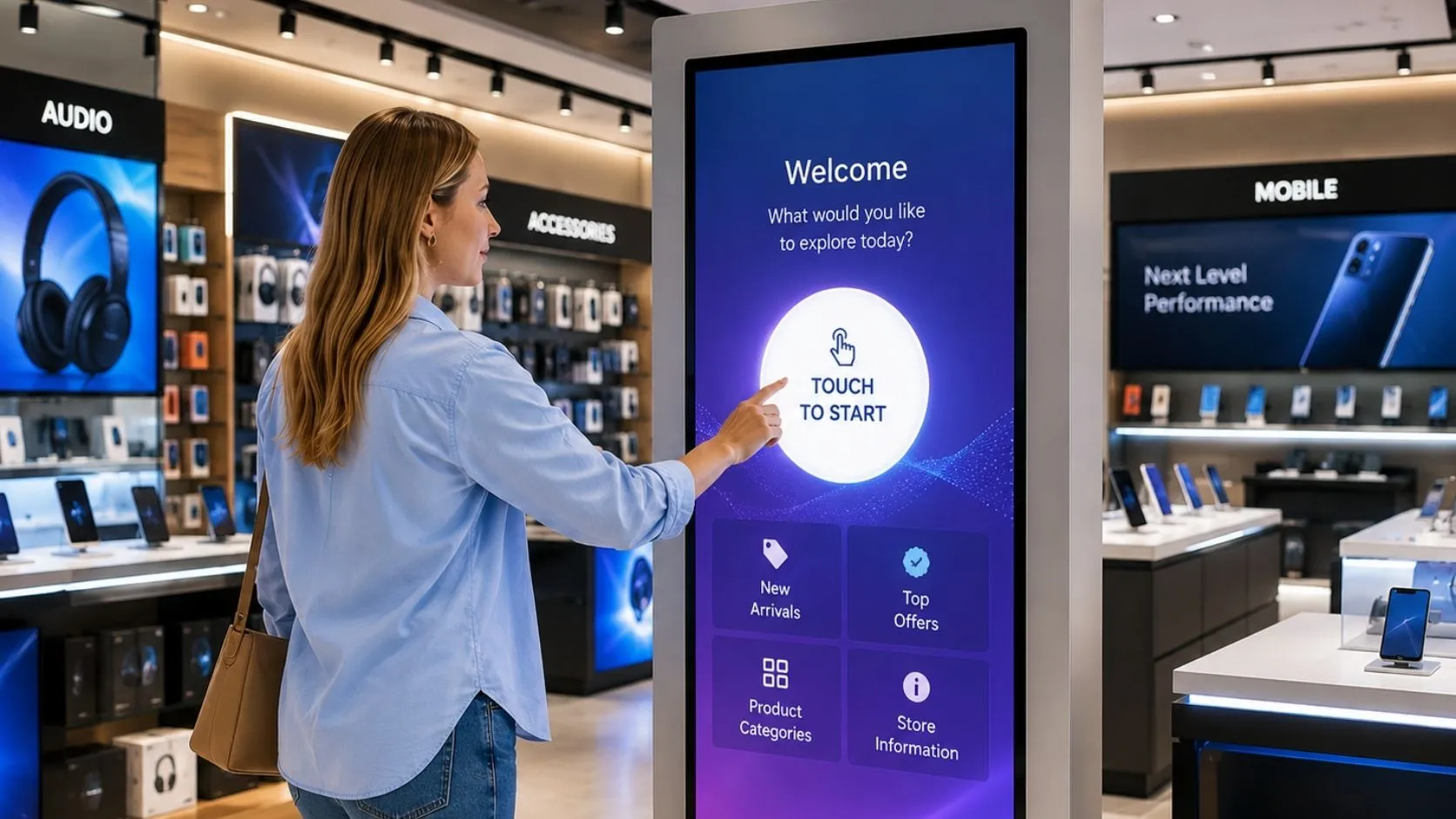
Retail stores now use digital displays and real-time messages for inventory, staff work, customer help, and daily operations beyond simple promotions.
Read more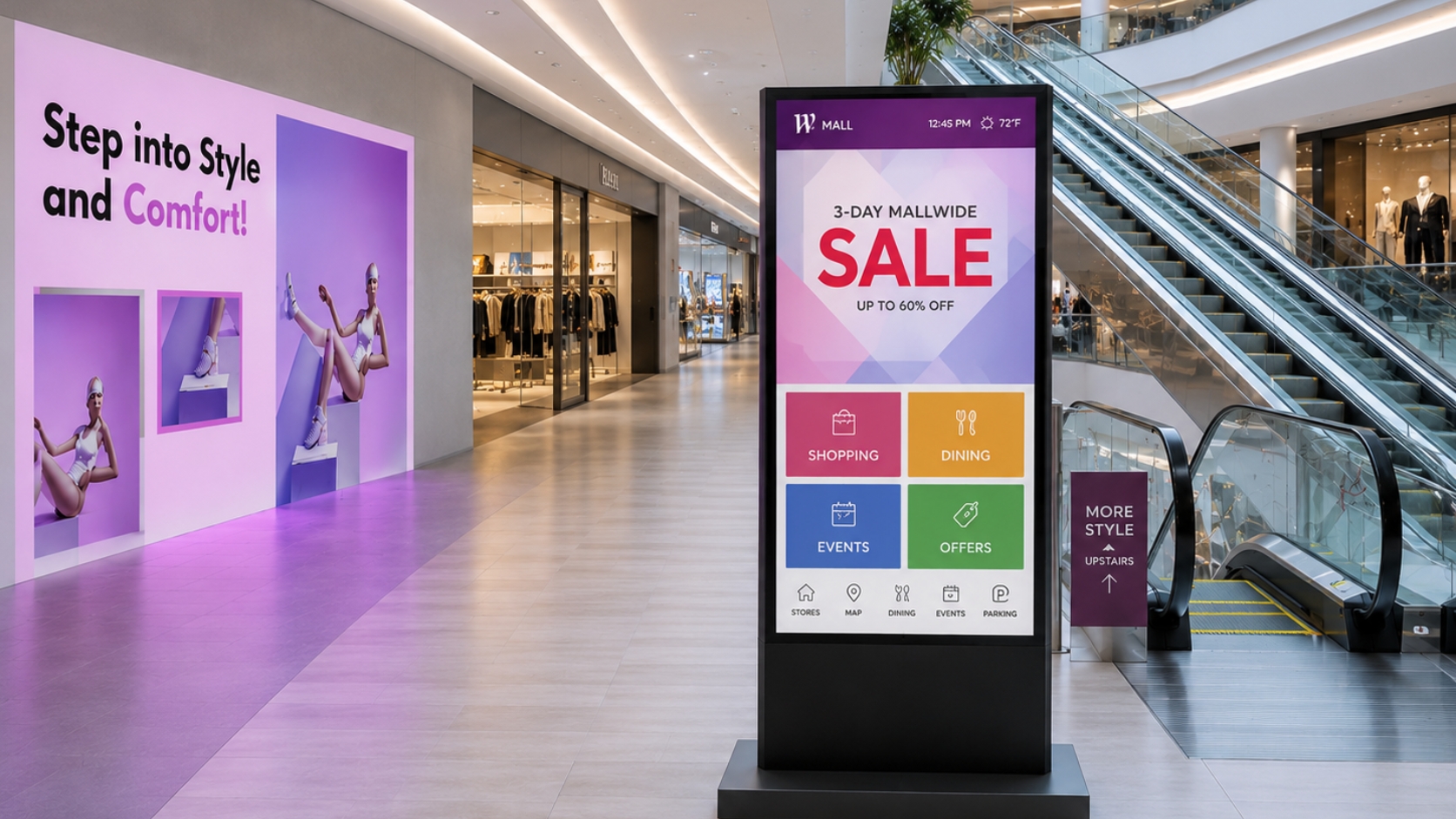
Discover why retail stores deliver different results despite identical strategies. Learn how environmental factors and AV solutions bridge the gap in execution. You launch a nationwide campaign. Every location receives the exact same instructions. Every store manager follows the identical layout guide. The marketing team sends the same promotional materials to every shop. Yet, results […]
Read more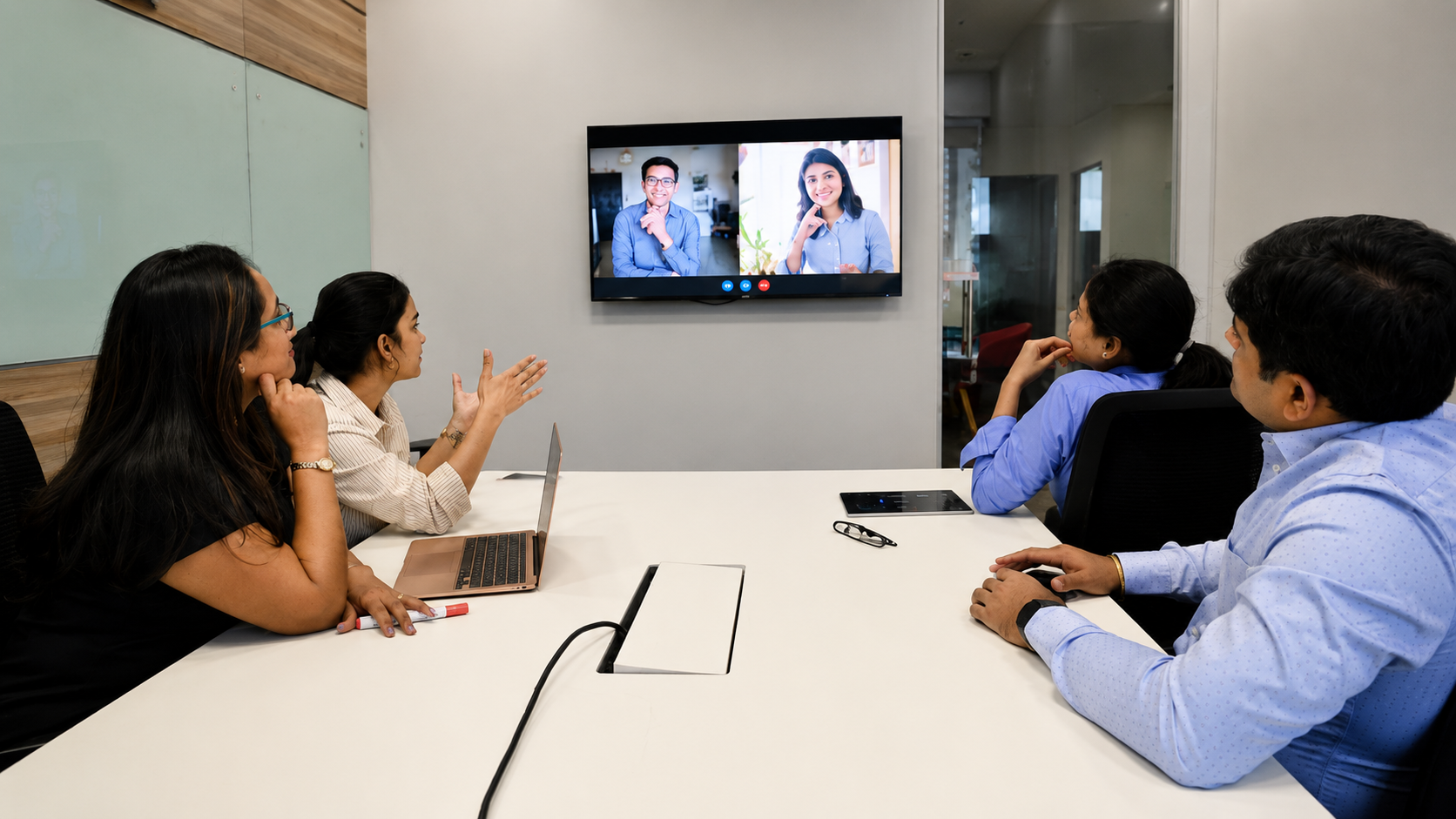
Learn why new managers struggle in hybrid team discussions and how to manage attention, participation, and authority across mixed work setups. You step into your first management role. You prepare for meetings. You know the agenda. You understand the goals. Then the meeting starts. Half the team sits in a room. The rest join from […]
Read moreCopyright @ 2026 Resurgent. All rights reserved.