According to the World Health Organization (WHO), there will be a global shortfall of over 10 million healthcare workers by 2030. This shortfall is going to be particularly severe in low-income and middle-income countries. A 2023 healthcare survey found that 43% of professionals have identified the lack of specialized skills as their primary challenge.
One of the reasons driving this shortage is limited access to high-quality medical education. The COVID-19 pandemic only added to the challenges of medical training and learning because of social distancing and face-to-face training restrictions.
But it also opened a window of opportunity – that of moving from “physical” to “virtual” mode of medical training. Simulations have emerged as a preferred mode among the virtual tools that enable medical training with “hands-on” experiences.
According to recent research studies, 97% of medical students found simulation-based education (SBE) to be useful in their overall medical training program. Besides, 90% of the participating students believe that SBE must have a more prominent role in medical education.
Role of Simulations in Medical Education
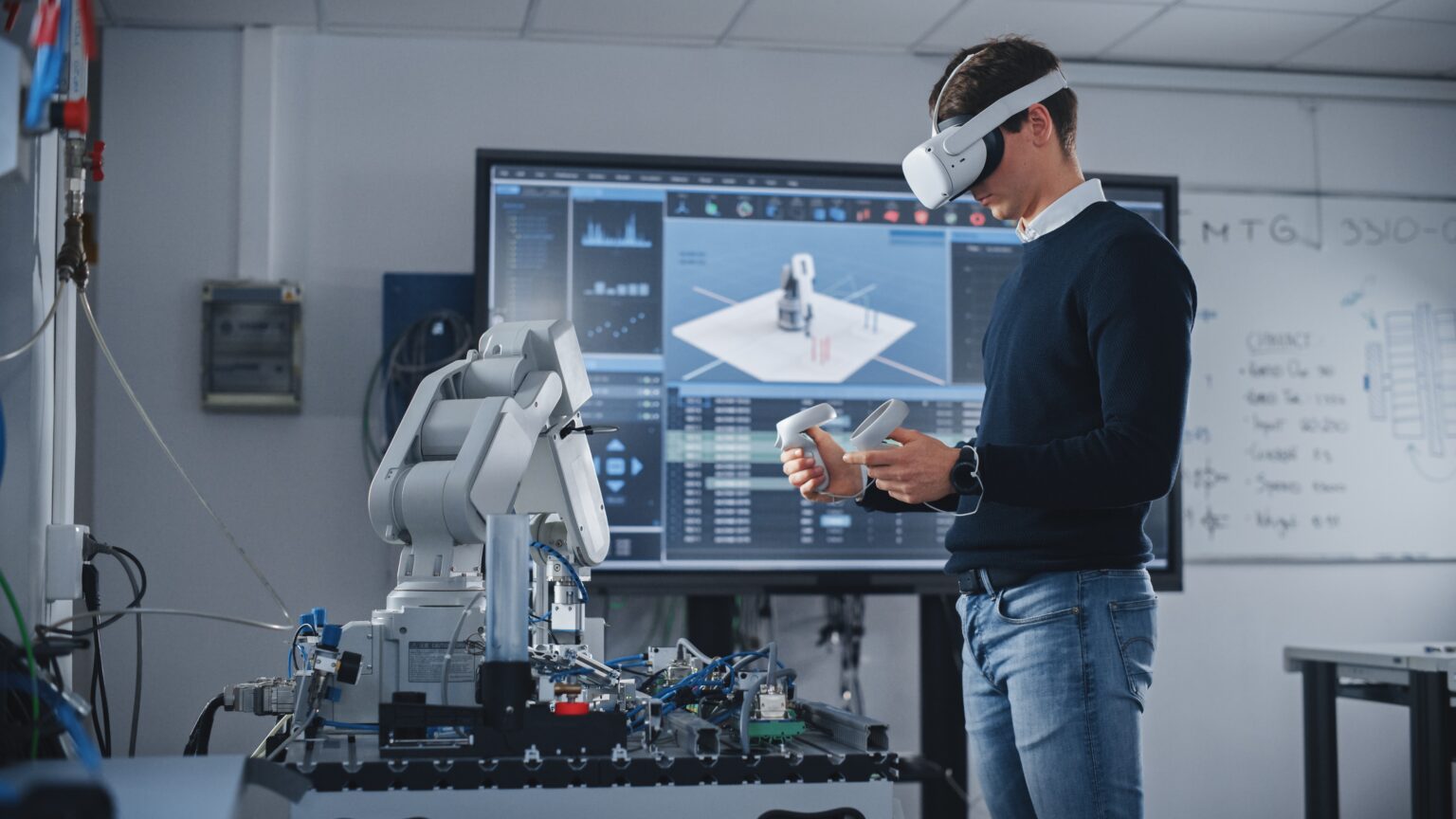
The global market for healthcare simulation training is projected to grow to $7.2 billion by 2030. This represents an annual growth rate of 15.95%. Additionally, immersive technologies like augmented and virtual reality can build effective and engaging simulation environments.
Simulations in medical education can prepare students for various types of emergencies or locations (such as road highways or remote places). Besides, medical simulations are also all about ensuring patient safety. Simulated learning can effectively reduce medical errors in the long run – once medical trainees become practising physicians.
Besides young medical students, simulation can also help experienced professionals build their “muscle memory” for rare or complex medical situations. Simulated learning also prepares them for medical emergencies or for making accurate life-changing decisions in quick time.
Here are some of the benefits of simulated learning for experienced medical professionals:
- Enables them to pursue continuous learning and grow their specialized skills to the next level.
- Provide them unlimited access to improve their medical practice and skills.
- Prepares them for various medical conditions and patient outcomes through customized virtual learning environments.
Through hands-on training, healthcare professionals can deliver improved patient care – without compromising the patient’s safety. With the right simulation tool, healthcare practitioners can now receive real-time feedback from every simulated practice session, which is critical for their professional growth.
By investing in modern simulation tools, healthcare companies can now reduce the risk of high payouts for medical errors on the part of their professionals. They can also save high payments towards medical insurance and settlements, thus reducing overall costs.
Going ahead, the adoption of AI, audiovisual (AV), and immersive technologies will enhance the quality of simulated learning in the medical domain. Through multisensory learning, simulation tools can boost long-term learning by involving human emotions in the feedback system.
Additionally, in real-world scenarios, learners are often restricted by the limited spectrum of medical situations. This is not the case for simulation-based learning, which can create any customized “virtual” scenario depending on the training requirements. Additionally, it can “recreate” virtual scenarios at any time, thus providing more learning exposure for even “rare” clinical situations.
How to choose the right simulation tool
To maximize the benefits of simulation-based learning, it’s equally important to choose the right simulation tool (or simulator) depending on training requirements and business needs.
Here are some common questions to address before choosing the right tool:
- What is the current level of medical expertise among your learners? This depends on whether they are fresh medical students or active practitioners.
- Which medical field (or specialization) are you covering through this learning program? For example, surgical interventions, paramedical emergencies, or anaesthesia.
- What level of simulated environments (or realism) do you require? For example, basic or high-fidelity simulations.
- What is the scope for customized simulations in your virtual learning project?
- Where are you going to install and use the medical simulators? For instance, hospitals, medical schools, or healthcare research laboratories.
Here are some key features to look for in the simulation tool:
- The level of simulated realism in terms of physical appearance, skin texture, and anatomy
- The range of simulation-related functionalities includes its response to interventions, generating vital signs, and providing real-time feedback to the learner
- The level of compatibility with third-party systems and learning software
- The level of mobility (or portability) particularly in facilities with limited space
- A modular design along with the integration of high-quality audio-visual technology
In summary
As the quality of healthcare keeps evolving, medical professionals and companies are realizing the value of high-quality simulated learning. With simulation tools, they can recreate a real-life medical scenario and provide hands-on training – without compromising patient safety.
A distinguished member of the PSNI global alliance, Resurgent specializes in customized audiovisual solutions for customers across industry domains including healthcare. With our SIMStation partnership, we provide medical institutions with a world-leading simulation tool that can boost the quality of healthcare education. With this tool, you can seamlessly record and control simulation sessions, as well as design your customized simulation scenario.
Do you want to know how simulation-based learning can deliver improved learning? Book a consultation today.