Why teleconsultations fail silently. Learn how audio, video, and environmental issues affect diagnosis accuracy and how to fix them.
You join a video consultation. The doctor asks a few questions. You answer. The call ends in ten minutes.
Everything feels smooth. But was the diagnosis as accurate as an in-person visit?
- Did the doctor catch every visual cue?
- Was your voice clear enough for subtle symptoms?
- Did a slight delay change how your responses were interpreted?
Most remote consultations do not fail in obvious ways. No system crash. No missed appointment. No complaint filed.
They fail quietly. They lose precision. And no one flags it.
What Telemedicine Means in Simple Terms
Instead of visiting a clinic, telemedicine lets you communicate with a doctor via video, audio, or chat. You have access to a phone, laptop, or hospital system. The physician queries, goes over symptoms, and offers counsel or medication.
The objective remains unchanged. Examine and heal. Only the medium shifts. Most people don’t anticipate how significant that shift is.
The Scale of Teleconsultation Today
Telemedicine has moved from optional to routine. Here is where things stand:
Global market size:
Usage trends:
- 67% of people used telehealth in 2023
- Only 37% used it before the pandemic
- 83% of users continued using it within the last year
- 71.4% of U.S. physicians reported weekly telehealth use in 2024
- Nearly 87% of U.S. hospitals offered telemedicine services by 2024
Teleconsultation is not niche anymore. It is part of standard care. That makes silent failure a system-level issue.
Why Teleconsultations Do Not Show Obvious Failure
A failed surgery shows clear consequences. A failed test result triggers a review. A teleconsultation rarely produces immediate red flags.
Instead, small inaccuracies stack up:
- A rash looks slightly different on camera
- A pause in audio cuts off a symptom description
- A doctor misses a facial expression
- A delay interrupts the flow of questioning
None of these alone triggers concern. Together, they reduce diagnostic confidence.
The Hidden Gap Between “Presence” and “Perception”
In a physical consultation, doctors rely on more than words. They observe:
Remote consultations limit or distort these signals.
- Skin tone
- Micro expressions
- Posture
- Breathing patterns
- Movement
Example: A patient describes chest discomfort.
- In person, the doctor notices slight labored breathing and discomfort while sitting.
- On video, the camera angle hides posture. The lighting masks skin tone. The signal appears stable.
The diagnosis path shifts. Not because of error, but because of missing context.
How Small Technical Issues Affect Clinical Judgment
Telemedicine depends on technology. Small issues influence outcomes more than expected.
1. Video Quality
Low resolution hides details.
- Skin conditions appear flat
- Swelling looks less severe
- Eye redness becomes harder to detect
Even minor compression affects interpretation.
2. Audio Clarity
Doctors rely on tone and clarity.
- Breath sounds over poor audio lose detail
- Voice strain goes unnoticed
- Cough patterns sound different
A slight distortion changes perception.
3. Latency
Even a small delay disrupts conversation.
- Doctors interrupt unintentionally
- Patients shorten responses
- Follow-up questions lose timing
Clinical interviews depend on flow. Delay breaks that flow.
4. Lighting Conditions
Most patients sit in uncontrolled environments.
- Backlighting hides facial features
- Shadows distort appearance
- Color accuracy drops
The doctor sees an altered version of the patient.
Environmental Factors That No One Talks About
Teleconsultation does not happen in a controlled clinical space. Patients connect from:
- Living rooms
- Offices
- Cars
- Public areas
Each environment introduces noise. Examples:
- Background conversations affect patient focus
- Poor seating posture changes symptom presentation
- Distractions shorten answers
Doctors face a different challenge. They must interpret clinical signals in non-clinical environments.
The Problem with “Good Enough” Consultations
Most teleconsultations feel efficient:
- Quick access
- Short waiting time
- Fast advice
Efficiency creates a false sense of success. But healthcare does not depend on speed alone. It depends on accuracy. A consultation that feels smooth but lacks depth creates risk.
No one flags it because:
- The patient receives an answer
- The doctor completes the session
- The system records success
Yet the margin of error increases.
What Better Teleconsultation Should Look Like
Improving teleconsultation is not about adding more tools. It is about removing uncertainty from what the doctor sees and hears.
A strong setup recreates clinical clarity. It gives the doctor the same confidence as an in-person visit. Here is what that looks like in practice:
1. Clear Visuals That Support Diagnosis
Doctors rely heavily on what they see. Visual gaps lead to hesitation.
A reliable setup should ensure:
- High-resolution video with no compression artifacts
- Accurate color reproduction for skin, eyes, and tissue
- Stable framing that keeps the patient in view
- Zoom capability without losing detail
2. Consistent and Clean Audio
Clinical conversations depend on nuance. Tone, pauses, and subtle sounds matter.
Your audio setup should deliver:
- Noise-free communication with no background interference
- Balanced volume levels on both sides
- Clear pickup of soft speech, coughs, and breathing patterns
3. Real-Time Interaction Without Delay
Flow matters in diagnosis. Delays break that flow.
An effective system ensures:
- Near-zero latency between doctor and patient
- No overlap or interruption during conversation
- Smooth back-and-forth questioning
4. Controlled Consultation Environment
A clinical environment should not depend on chance.
Hospitals and clinics need:
- Dedicated teleconsultation rooms
- Uniform lighting that avoids shadows and glare
- Neutral backgrounds that remove distractions
5. Clinical-Grade Display Systems
Doctors should not rely on standard screens for clinical decisions.
A proper display setup provides:
- High-resolution output for detailed observation
- True-to-life color accuracy
- Multi-screen support for reviewing reports alongside video
6. Integrated System, Not Separate Devices
Fragmented setups create gaps. Integration removes them.
A well-designed system connects:
- Camera
- Display
- Audio
- Network
into a single workflow.
This reduces:
- Setup errors
- Connection issues
- Time lost switching between tools
Why AV Infrastructure Matters More Than Software
Most discussions focus on telemedicine platforms. Software matters, yes. But the physical layer matters more. Audio & visual quality define what the doctor perceives. If the input is flawed, the output would be too.
Strong AV infrastructure ensures:
- Better clinical judgment
- Higher confidence in diagnosis
- Reduced need for repeat consultations
What This Means for Hospitals and Clinics
If your organization offers teleconsultation, you need to ask:
- Are doctors seeing accurate visuals?
- Is the audio clear in every session?
- Does latency affect interaction?
- Is the environment controlled?
If the answer is uncertain, silent failure is already present.
Conclusion and Next Step
Teleconsultations are not failure-prone in a dramatic way. They lose clarity in minor increments. Every missed signal lowers trust. Every deformation influences decisions. These little gaps have an impact on patient outcomes over time.
Resurgent fills this void using audio-visual solutions designed for healthcare.
Our approach focuses on precision and clarity:
- Medical-grade AV displays and cameras
- DICOM-compliant technology
- Zero-latency transmitters
- Integrated systems that support accurate decision-making
We support remote specialist consultations with:
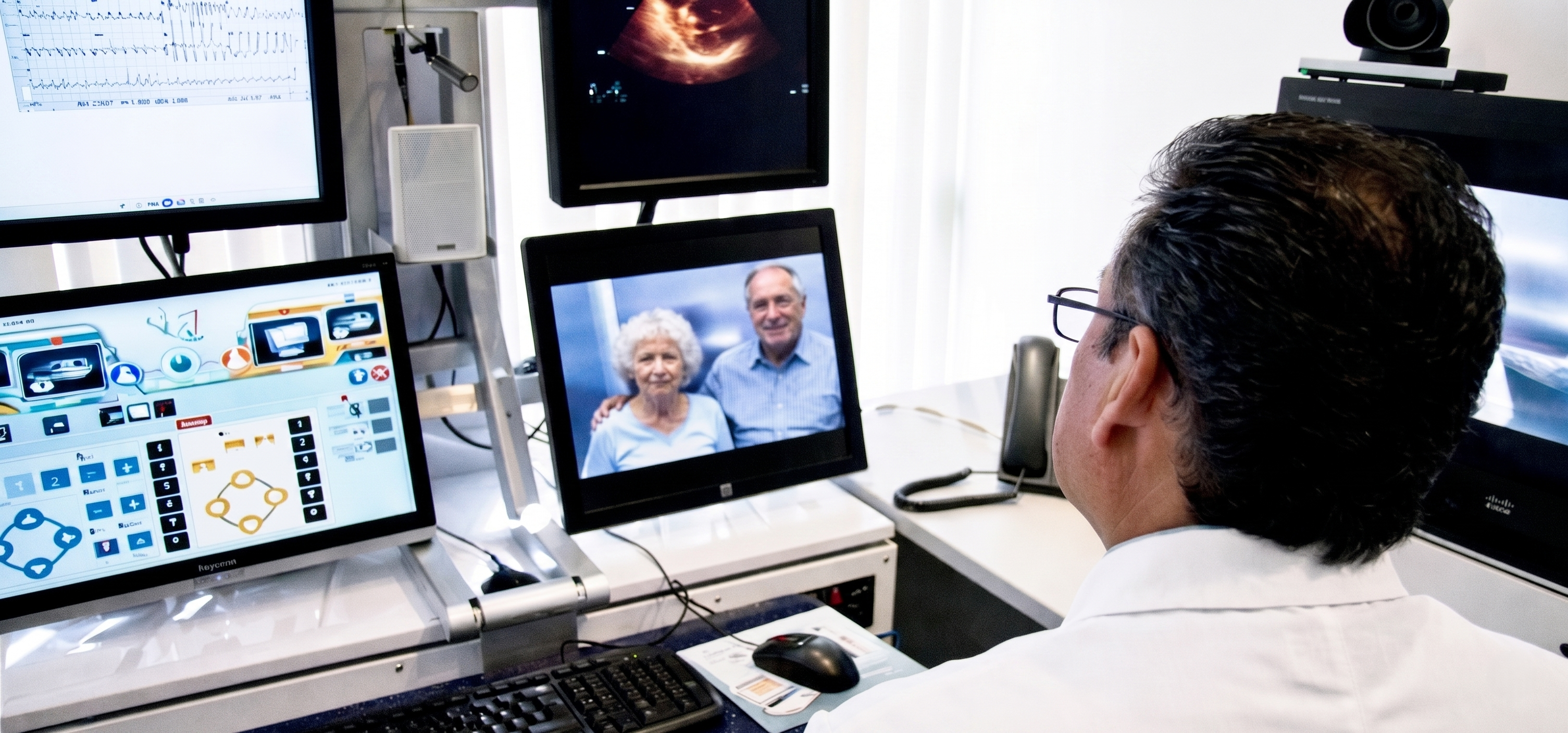
- High-quality LED displays in consultation rooms
- USB cameras designed for clinical visuals
- USB speakerphones with clear audio capture
This arrangement enhances training, diagnosis, and patient care. Your AV setup has to be updated if you want teleconsultation to provide the same level of assurance as in-person treatment.
To guarantee every consultation produces correct, dependable results and to improve your telemedicine surroundings, connect with Resurgent AV.
FAQs
- Why do teleconsultations feel fine but still miss things?
Because nothing breaks, but small gaps in video, audio, or timing reduce how clearly doctors read your symptoms.
- What do doctors often miss on video calls?
Subtle cues like skin changes, breathing patterns, or body language are easier to catch in person.
- Does poor audio or video really affect diagnosis?
Yes. Blurry visuals and unclear audio can hide key symptoms and lower diagnosis confidence.
- Are all teleconsultations risky?
No. Simple cases work well. Complex cases need better setup and clearer visuals.
- How does Resurgent AV help fix this?
Resurgent AV upgrades teleconsultation with high-quality AV systems so doctors see, hear, and assess patients more accurately.