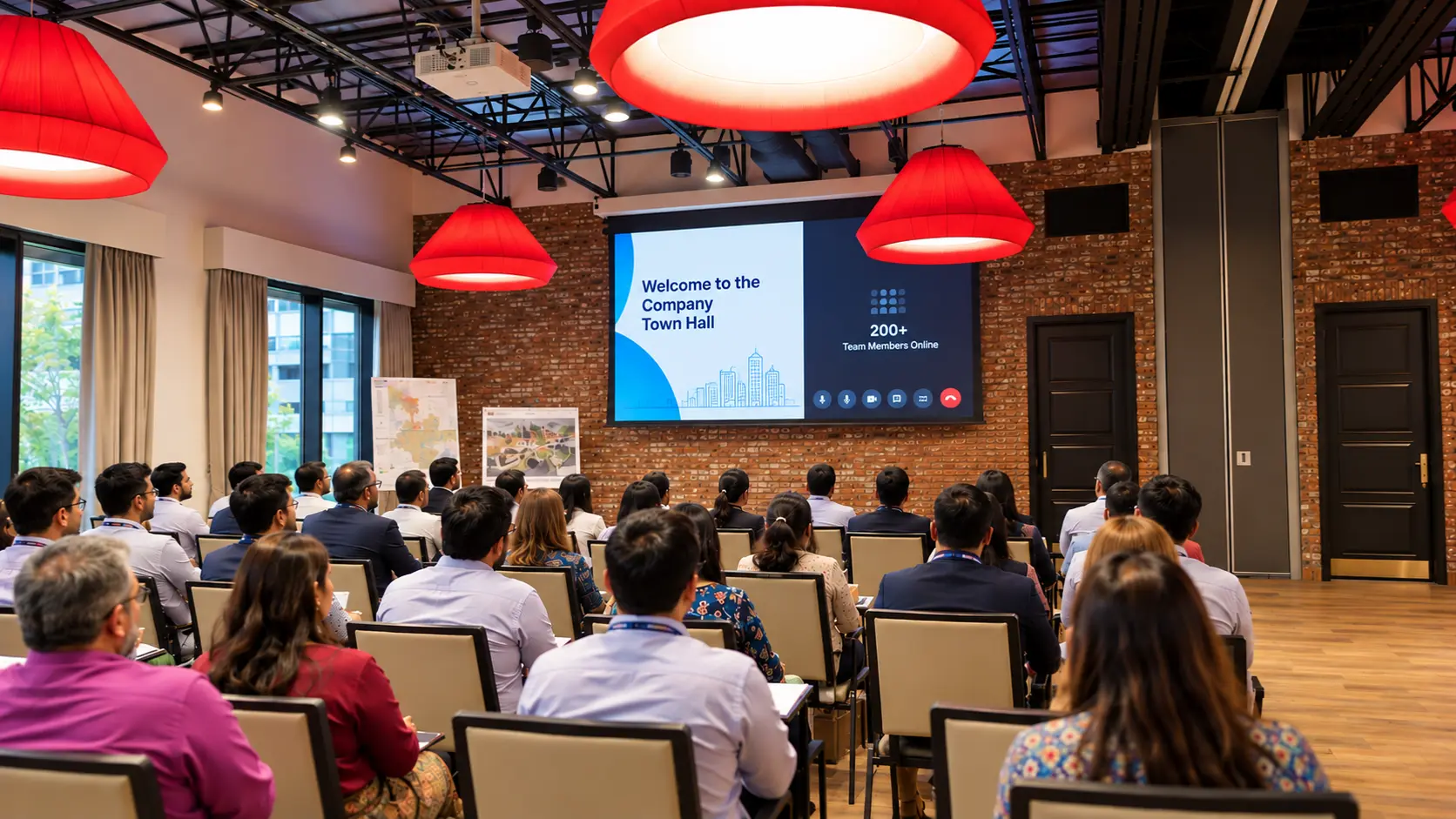
In this interconnected world business environment, a company’s most valuable resource remains its employees. The common will of a diverse labor pool—mixing various outlooks, experiences, and skills—is the mainstay of creativity and revenue.
In fact, this perspective on people, along with the fair treatment, represents the principle of DEI (Diversity, Equity, and Inclusion), a concept that leads to the elimination of all sorts of discrimination and, in particular, focuses on those groups that have been at the center of such a history, i.e., the underrepresented ones.
But what do we really mean by inclusion in the context of a workspace? It’s broader than many might initially think. It’s not just about wheelchair ramps or accessible restrooms, though those are non-negotiable foundations. True inclusion encompasses:
- Physical accessibility: Ensuring ease of movement and access for people with mobility impairments.
- Sensory accessibility: Catering to individuals with varying sensitivities to light, sound, and other environmental stimuli (e.g., visual or hearing impairments, neurodiverse individuals).
- Cognitive accessibility: Designing interfaces and processes that are clear, intuitive, and reduce cognitive load for everyone, including those with learning differences or cognitive disabilities.
- Geographical inclusion: Seamlessly connecting remote and in-office colleagues, ensuring everyone has an equal voice and presence.
- Cultural & linguistic inclusion: Supporting diverse communication styles, languages, and cultural norms.
- Neurodiversity: Creating environments that support different ways of thinking, processing information, and interacting with the world.
What is Adaptive AV?
It is significantly more complex than a simple conference phone or projector, as we alluded to before. Adaptive AV for us is an intelligent ecosystem of connected audio-visual systems intended to be user-centric, personalized, and responsive. Instead of making us fit its constraints, it is about technology that actively adapts with us and adjusts to our own needs and preferences.
The DEI Scene in India—What’s New?
Gradually, the Indian Government, as well as the Private Sector, have acknowledged that DEI initiatives are necessary and they have taken measures to encourage diversity & inclusion in the workplace.
While India is placed at the 131st position out of 162 countries on the Global Gender Gap Index of 2025, positive changes are still happening.
One of the measures is that maternity leave is going to be 6 months instead of the previous allowance of just 12 weeks. The country has also witnessed the improvement of the LGBTQ+ rights in companies, the passing of the Bill on the Rights of Persons with Disabilities in Parliament, and the financial markets regulator SEBI has set a precondition that there will be at least one female Director on the board of any listed company. (Elliott Scott HR)
These changes resulted in the rise of women on company boards from 5% in 2012 to 17% in 2022. The recent success story of DEI in India has brought diverse employees who are from different cultural, linguistic, and socio-economic backgrounds, of different sexual orientations, and with different physical abilities.
Beyond Compliance: AV as an Enabler of Inclusion
However, diversity in hiring is merely the first step. Real integration involves setting up the kind of environment where each member of staff is valued, listened to, and given the necessary resources to bring out their best.
The newly improved and differently designed working space, both physical and digital, is an example of where the office location can work hard to accommodate differently-abled people. Adaptive Audio-Visual (AV) technologies are rapidly gaining acceptance as the preferred solution to overcome such obstacles and design an all-inclusive work environment in the emerging modern, hybrid Indian corporate sector.
Adaptive AV is a game-changer, a crucial component in designing workspaces that don’t just tolerate differences, but actively celebrate them.
1. Fostering Visual & Hearing Inclusivity: For employees with hearing or visual impairments, traditional meetings can be a significant barrier.
- Hearing Assistance: Revolutionary mic systems that use beamforming tech, for instance, those in Jabra PanaCast or Crestron Flex systems, can single out and raise the speaker’s voice while eliminating the surrounding noise. People who do not speak the language and those with hearing difficulties absolutely rely on this. If you add to that live captioning and simultaneous transcription, which are the features of Microsoft Teams, then you are sure that everyone can follow the talk at the same time, both visually and audibly.
- Visual Clarity & Zoom: People who have vision problems may find that high-resolution displays and content cameras that automatically adjust the frame and zoom on the content, for example, a whiteboard or a presenter, are the best tools for them to use in order not to lose any information. The Samsung Flip or Microsoft Surface Hub 2S allows you to create interactive presentations where you can enlarge the text and modify the visuals to make them your preferred look.
2. Enhancing Cognitive & Physical Accessibility: Inclusion also means reducing cognitive load and making technology interactions intuitive.
- Simplified Control: To illustrate, Crestron interfaces empower employees to power different unit settings, for example, lighting, cameras, audio, and displays, from one simple, easy-to-use touch panel or even their smartphone. By doing so, irrespective of their level of technical skills, they remove the guessing part and provide a standard, trouble-free experience for all users.
- Flexible Digital Signage: Besides the promotion, PADS4 Digital Signage can be an engaging tool for the new arrivals and visitors to get acquainted with the large office campuses in no time, thereby lowering the level of their anxiety and saving time. Moreover, it can also emit the most important messages simultaneously in audio and visual forms, thus providing them for everyone.
3. Bridging the Cultural & Linguistic Divide: India’s incredible linguistic diversity can sometimes pose a challenge in a pan-Indian organization. AV technology can be a great unifier.
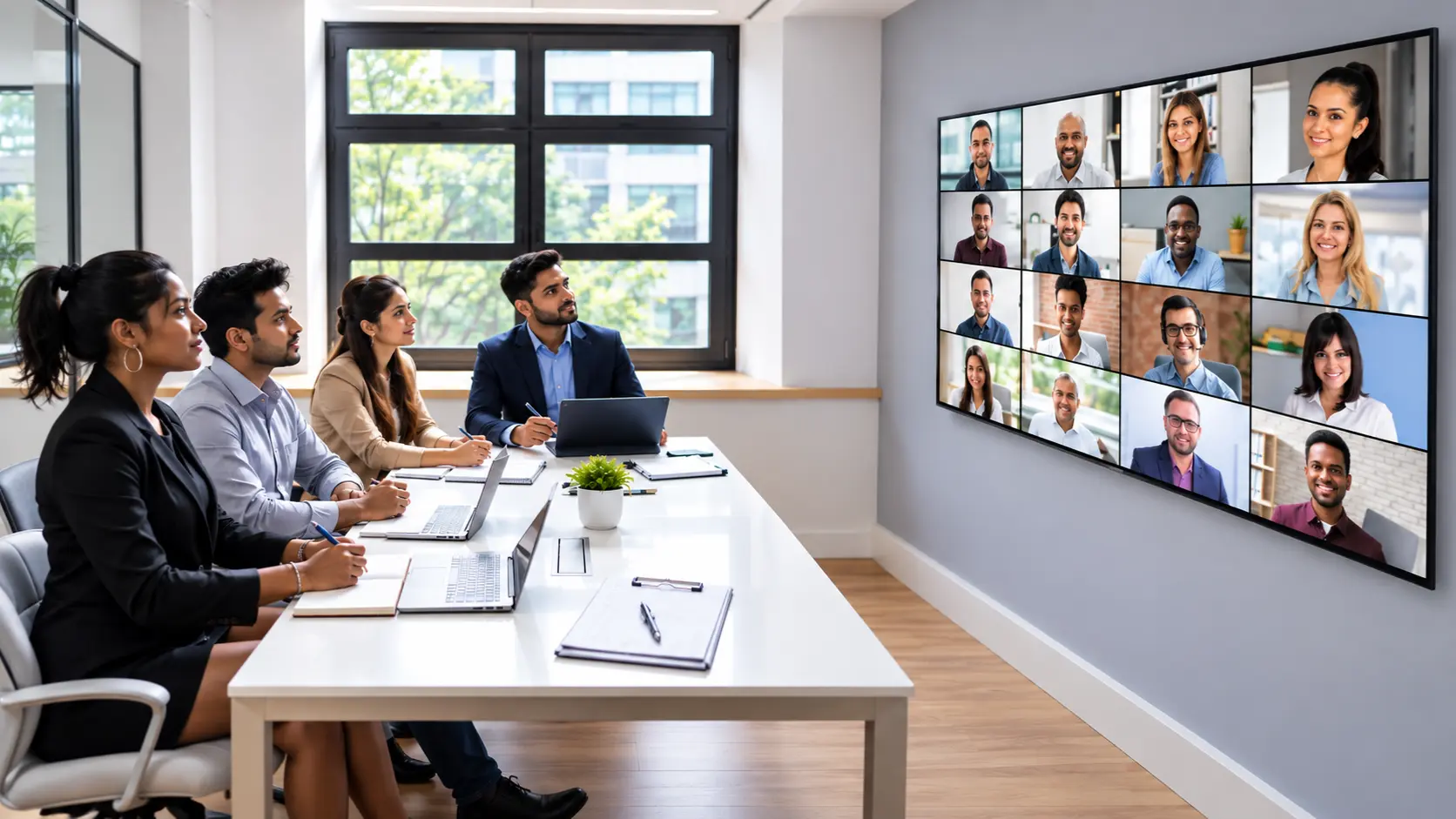
- Hybrid Model Equity: The hybrid approach is here to stay. AirServer and other technologies make sure that remote participants are not reduced to small video tiles and that any device can easily share its screen wirelessly to any display, can distribute their work as readily as someone in the room. By including virtual participants in the same environment as those who are physically present, Jabra PanaCast’s 180-degree panoramic video and AI-powered speaker tracking help to close the “us and them” gap.
- Translation & Transcription: Including AI-powered solutions on collaboration platforms ensures live translation of captions, hence eliminating language barriers and ensuring that ideas flow freely, independent of location from their origin—Chennai, Pune, or Delhi.
Conclusion
Striving for a really inclusive and welcoming workplace is a continuous process. It denotes a conscious shift in attitude whereby accessibility is seen as something more than just a simple checklist feature; rather, it is seen as among the fundamental principles that promote improved business outcomes.
Resurgent is aware that AV integration is not just about communication. So our corporate AV services, starting from the immersive collaboration that the Microsoft Surface Hub 2S and Microsoft Teams enabled, to the participative meeting experience that Jabra PanaCast and Crestron Flex facilitate, aim to go beyond the limits of the physical world.
Would you like to have a workplace built that allows everyone to have equal contributions?
Get in touch with Resurgent today to find out more about our range of adaptive AV solutions, which will help you start planning a more inclusive and connected future for your organization.
FAQs
1. What is adaptive AV technology?
Adaptive AV tech is an intelligent system of audio and visual tools that adjust to a user’s specific needs, not the other way around.
2. Can adaptive AV technology help people with different languages or hearing impairments?
Yes! It uses features like live captions, translations, and transcriptions to make sure everyone can follow the conversation.
3. How can a company learn more about using these solutions?
Simply contact Resurgent to find out more and start planning a more inclusive workplace.