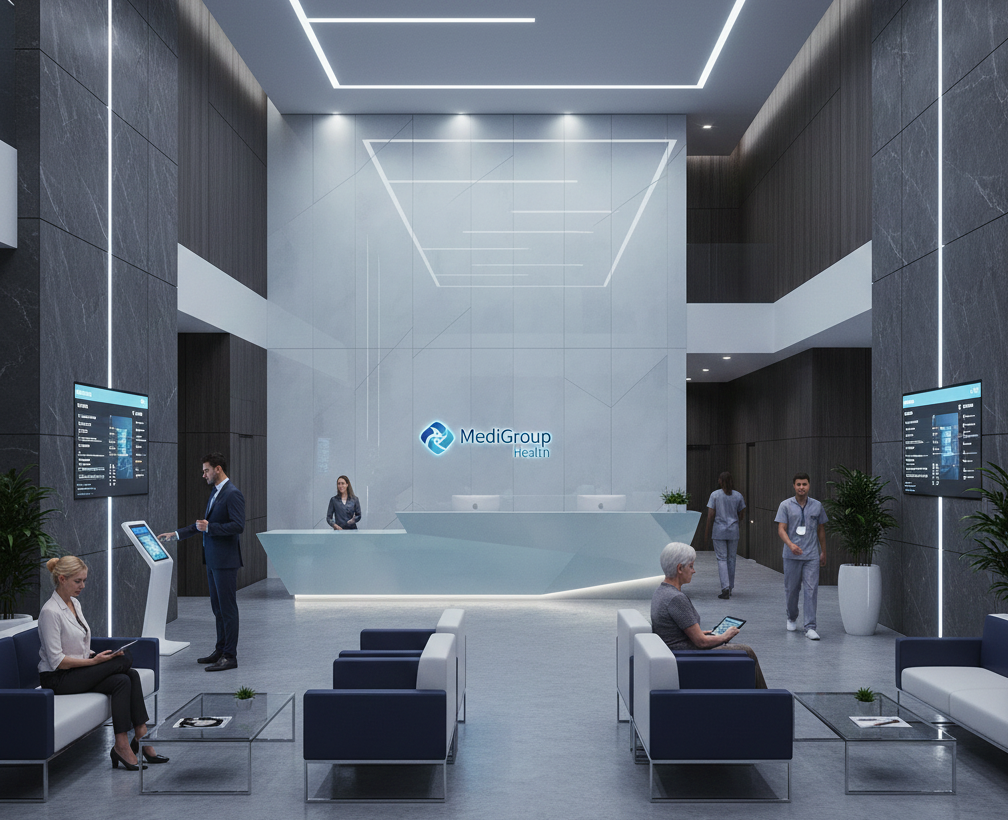
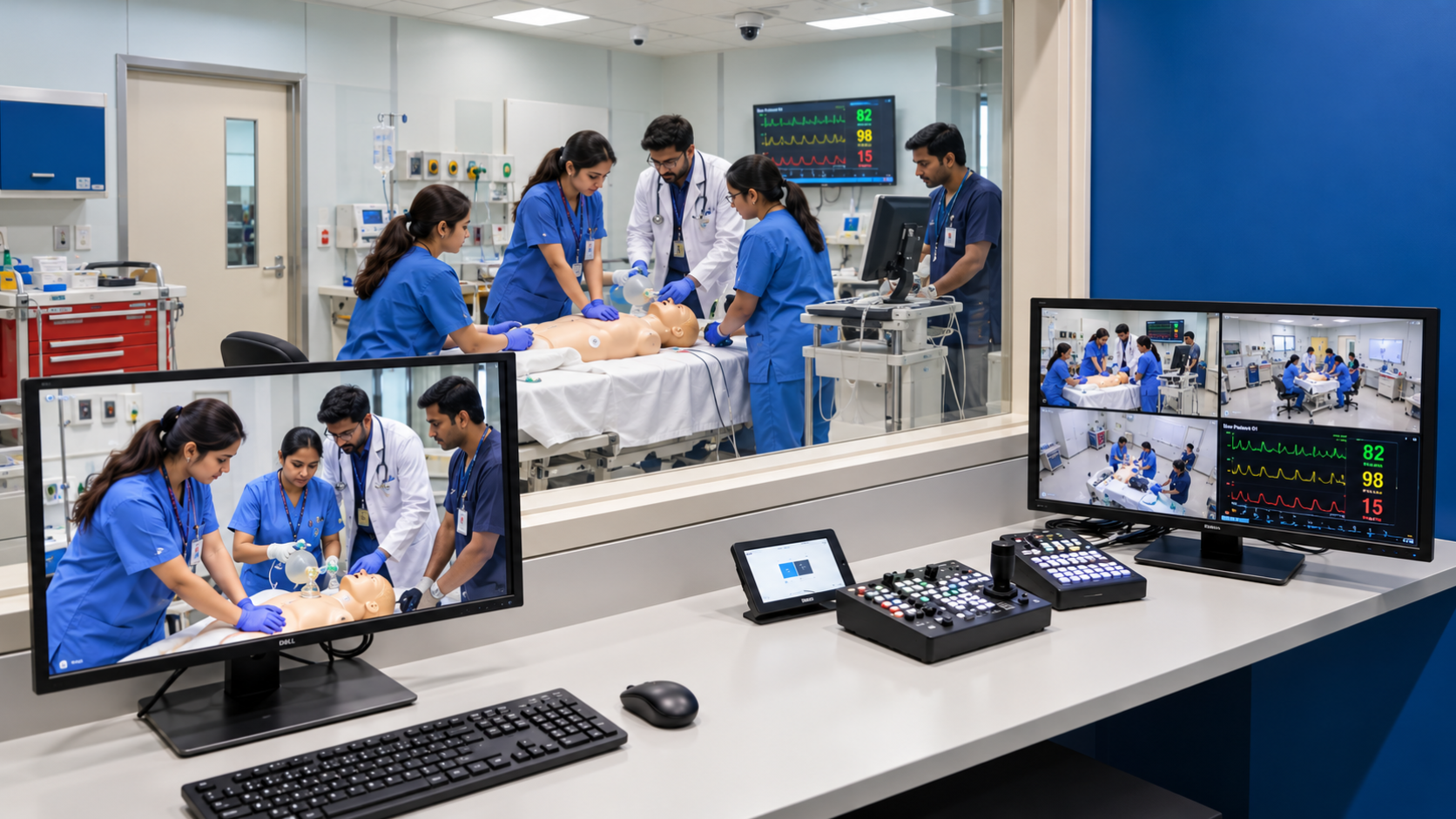
Learn how composable AV architecture helps corporates and hospitals build flexible, modular, future-ready spaces with better scalability and easier upgrades.
Many organisations struggle with AV systems that feel locked, rigid, and outdated. You upgrade a display, then realise the processor does not support it. You introduce a new meeting platform, then the audio chain fails to stay compatible. Hospitals face similar issues. A new surgical camera needs integration, but existing routing is incompatible. IT teams lose time. Users lose trust. Spaces lose value.
Modern workplaces and medical institutions need AV systems that respond to changing needs. Hybrid work, remote support, advanced imaging, and global collaboration all demand environments that evolve fast. This is where composable AV architecture helps.
Composable AV architecture uses modular building blocks. You get displays, audio zones, processors, signage, collaboration tools, and routing systems that fit together with minimal friction. You replace parts without breaking the whole. You expand when needed. You upgrade without redesigning an entire room.
This article breaks down what composable AV means, why it matters, and how you specify it for corporate and healthcare environments.
What Is Composable AV Architecture?
Composable AV architecture is an approach in which every component works like a module. You assemble and reassemble these modules as your organisation grows. You do not depend on closed ecosystems. You rely on open standards and interoperable systems.
Composable AV includes:
- Modular displays that support multiple inputs, resolutions, and content formats
- Swap-in audio zones that expand or shrink based on room use
- Scalable digital signage that pulls data from unified content systems
- Interoperable control processors built on open protocols
- Flexible integration with collaboration platforms like Microsoft Teams
- Shared routing networks that support new codecs and formats
With composable AV, your AV ecosystem behaves like a technology stack instead of a collection of isolated devices.
Why Businesses and Hospitals Need Composable AV
Traditional AV systems age fast. They depend on fixed wiring, dedicated processors, and proprietary controls. When one piece reaches end of life, everything suffers.
Organisations benefit from composable AV because they get:
- Faster upgrades
- Lower downtime
- Better ROI
- More room reconfigurations
- Easier lifecycle management
- More predictable service and maintenance
- Consistent user experience across locations
Healthcare institutions benefit even more. Medical imaging, surgical collaboration, and telemedicine introduce frequent upgrades. Composable AV reduces disruption and keeps clinical teams focused on patient outcomes.
Core Principles of Composable AV
To build a composable AV architecture, you need three principles.
1. Interoperability
Interoperability allows devices from different vendors to work together without manual workarounds. It reduces vendor lock-in and gives long-term flexibility.
You ensure interoperability by selecting solutions that support:
- Open control protocols
- Cross-platform compatibility
- Standardised connectors
- Unified content formats
- Integration with productivity platforms
- BYOD support for meetings and presentations
- Remote management APIs
2. Serviceability
Serviceability focuses on ease of maintenance. AV systems need predictable upkeep. When serviceability is poor, you face downtime, high service costs, and slow issue resolution.
You improve serviceability by using:
- Modular hardware that technicians swap quickly
- Standardised cabling
- Centralised device monitoring
- Remote diagnostics
- Clear labeling and documentation
- Hot-swappable components where possible
3. Upgrade Paths
A future-ready AV system should accept new modules without replacing what still works.
When specifying upgrade paths, consider:
- Support for newer resolutions and codecs
- Modular signal processors
- Space for new displays or sensors
- Cloud-native management tools
- Expandable audio networks
- Integrations with upcoming platforms
- Compliance with evolving medical standards, such as DICOM
How To Specify a Composable AV System
You improve outcomes by defining your AV system from a composable mindset. Below are steps that guide the specification process.
1. Start with user scenarios
List the exact workflows your teams follow.
Corporate scenarios:
- Hybrid presentations
- Global meetings across time zones
- Brainstorming with digital whiteboards
- Large auditorium addresses
- Training and onboarding sessions
Healthcare scenarios:
- Multi-camera surgical viewing
- Remote consultation
- Imaging review
- Patient education displays
- Digital wayfinding
Each scenario needs a flexible AV path. Define those paths up front.
2. Choose open ecosystems
Avoid systems that restrict future upgrades. Pick vendors and platforms known for open APIs and standards.
3. Build layers, not boxes
Break AV design into layers.
- Display layer
- Audio layer
- Processing layer
- Control layer
- Network layer
- Collaboration layer
- Signage layer
Each layer should function independently and integrate through open protocols.
4. Prioritise network-centric AV
IP-based AV routing provides scale. You move signals without rewiring. You add new endpoints through the network.
5. Demand clear upgrade documentation
Your integrator must provide guidance on:
- Supported future resolutions
- Expandable audio DSP profiles
- Replaceable control modules
- Interoperability with new platforms
- Firmware and lifecycle plans
6. Plan for remote monitoring
Remote analytics, fault detection, and firmware management reduce downtime and save your team’s time.
Corporate Use-Cases for Composable AV
1. Hybrid Meeting Rooms
A modular meeting room lets you:
- Swap displays for higher resolution units
- Add new microphones for larger groups
- Upgrade collaboration tools without changing wiring
- Support multiple conferencing platforms
2. Training and Collaboration Spaces
Training spaces need flexible layouts. A composable AV design supports:
- Wireless screen sharing
- Multi-display setups
- Temporary overflow rooms
- Digital annotation tools
3. Executive and Board Rooms
Leaders need clarity in communication. Modular AV supports:
- High-quality audio zones
- LED video walls
- Unified communications
- Multi-source content routing
- Secure meeting tools
4. NOC and SOC Rooms
NOC and SOC teams depend on data accuracy. A composable AV setup supports:
- Scalable video walls
- Real-time dashboards
- Fast failover
- Round-the-clock reliability
Healthcare Use-Cases for Composable AV
1. Operation Theatres
Modern OTs depend on precise visuals. Composable AV supports:
- Zero-latency transmitters
- Modular medical-grade displays
- Imaging from multiple sources
- Replaceable camera modules
- Routing to control rooms
2. Medical Imaging and Diagnostics
Diagnostics teams need flexible display setups. You support:
- DICOM compliance
- Multi-modality viewing
- Scalable processing power
- Future-ready codecs
3. Remote Specialist Support
Hospitals grow specialist access through modular AV.
- Add cameras for procedure support
- Enable high-quality streaming
- Support multi-location collaboration
4. Patient Information and Wayfinding
Composable digital signage supports:
- Content scheduling
- Scalable endpoints
- Interactive patient displays
- Rapid updates
5. Meeting and Training Rooms for Medical Staff
Training needs constant upgrades. Modular systems allow:
- Easy addition of interactive displays
- Multi-source content
- Platform flexibility
- Reliable collaboration tools
How Resurgent Delivers Composable AV for Corporate and Healthcare Spaces
Resurgent builds AV solutions that support agility, scalability, and long-term value. Our approach aligns with composable principles. We help enterprises and hospitals keep their environments responsive to change.
For corporate environments, we deliver:
- Unified communication systems
- Meeting and presentation rooms
- Training and collaboration spaces
- NOC and SOC rooms
- Digital signage
- Light and sound systems
- Experience centres
Our solutions support organisations that work across locations. We integrate tools like Microsoft Teams, Crestron Flex, PanaCast, Surface Hub 2S, Samsung Flip, AirServer, Surge+, and PADS4 to deliver interoperable spaces.
For healthcare institutions, we build AV systems with precision. We use medical-grade displays, DICOM-compliant technology, and zero-latency transmission.
We support environments such as:
- Operation theatres
- Medical imaging and diagnostics
- Remote specialist support
- Patient information systems and wayfinding
- Meeting and training rooms
- Presentation spaces
Why Organisations Trust Resurgent
Resurgent has over a decade of experience in AV integration. Our technical team delivers custom deployment plans and strict quality control. We align project timelines with your business goals. Our enterprise delivery team ensures smooth execution. Our long-term support keeps your AV systems stable and future-ready.
Conclusion
Composable AV architecture gives your organisation flexibility and control. You build spaces that adapt to new tools, new workflows, and new expectations. You reduce downtime, improve serviceability, and get better ROI from every AV investment.
Resurgent helps you design modular, scalable, and future-ready AV ecosystems for corporate and healthcare environments. Your teams gain clarity, efficiency, and confidence in every interaction.
Contact us to build AV experiences that grow with you.
FAQs
1. What makes composable AV different from regular AV setups?
It works like building blocks, so you swap or upgrade parts without redoing the whole room.
2. Why does modular AV matter for corporate teams?
It keeps meeting rooms, training spaces, and collaboration zones flexible as your needs grow.
3. How does composable AV help hospitals?
It supports medical-grade displays, zero-latency video, and easy upgrades for imaging or surgical tools.