Future-Proof Office Design: Stop Designing Around Today’s Org Chart
Stop designing offices for yesterday. Rigid office designs trap businesses. Learn why flexible designs save money and support growth. Build spaces for future success with Resurgent AV solutions.
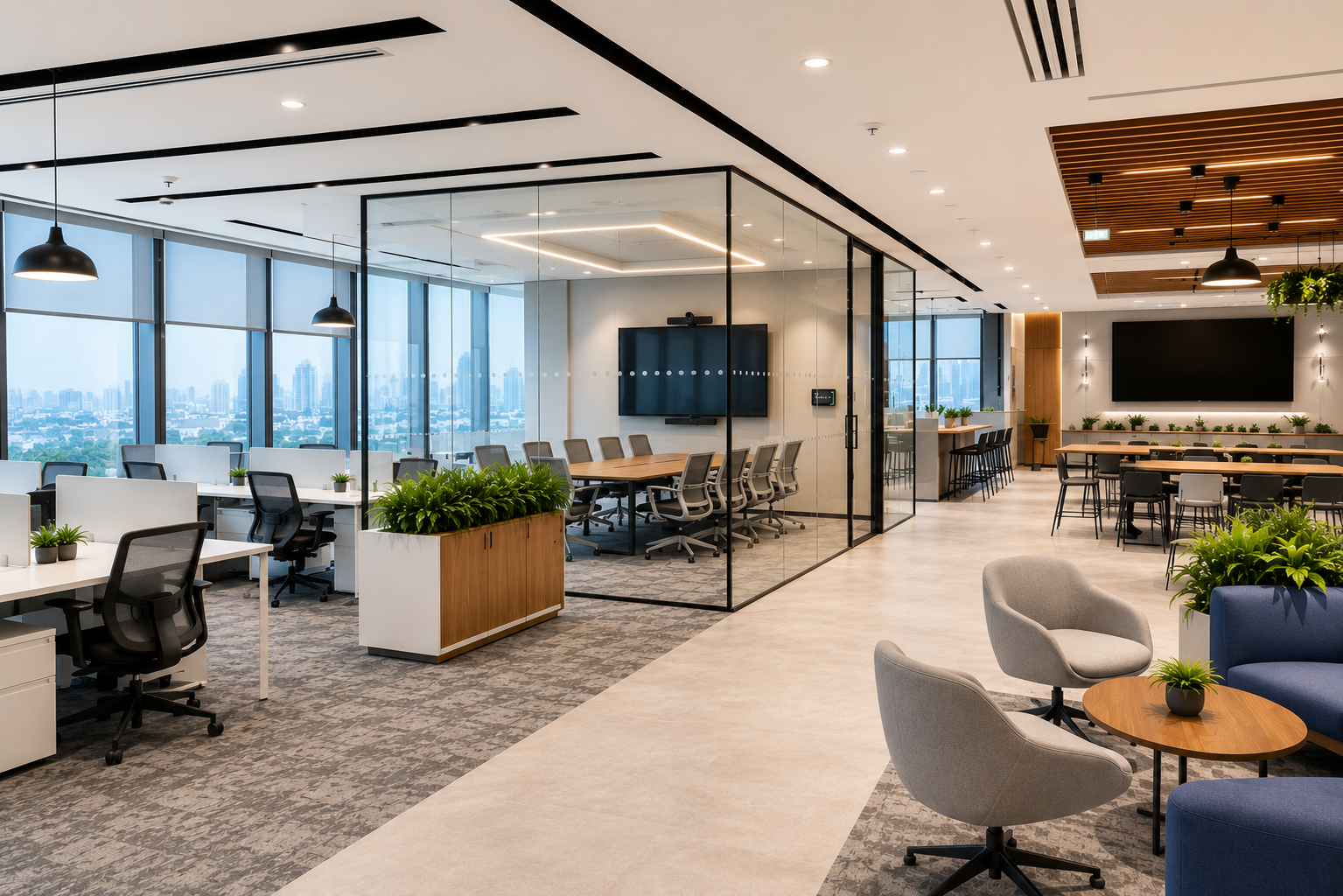
Your office space Future-Proof Office Design: Stop Building Around Today’s Org Chart your team today. The walls show who sits where. The layout shows who reports to who. The desks show specific team sizes. But who reports to who next year? Nobody knows. The business world moves fast. Teams merge. Teams split. Departments grow. Yet your office walls stay in the same place. This creates a problem.
Companies build offices based on current needs. Architects draw plans for the present headcount. They build permanent walls. They install fixed furniture. They wire specific rooms for specific teams. But business strategy changes. A team of 10 becomes a team of 50. A private office becomes a collaboration hub. A quiet corner becomes a noisy cafeteria. Rigid floor plans create barriers to growth.
Static infrastructure acts like an anchor. Your business needs a ship. Anchors hold you in place. You want movement. You want speed. Designing around the current org chart assumes the future looks like the present. History shows the opposite. Change is the only constant. When you design for today, you build obsolescence into your walls.
The Trap of Static Design
Think about a standard corporate office. You have a floor plan. Marketing sits on the left. Sales sits on the right. A hallway separates them. Maybe the hallway has a wall. What happens when marketing and sales need to work together? The wall blocks the flow. The distance creates friction. People stop collaborating.
This happens everywhere. You build a boardroom for 20 people. The meeting has 7. The space feels empty. The energy drops. Or you build a meeting room for 7. 15 people show up. The room feels cramped. People struggle to hear. People struggle to see. The space hinders the work.
Fixed designs assume teams never change. They assume headcount stays the same. They assume communication methods remain static. But technology changes. Habits change. Growth changes. Designing for today ignores the reality of tomorrow.
The Hidden Costs
Rigid design costs money. Think about the expense of moving walls. Think about the cost of rewiring. Every time you change the team structure, you face renovation costs. You face downtime. You face productivity losses.
Consider the following table comparing rigid spaces to flexible spaces.
FEATURE
RIGID WORKSPACE
FLEXIBLE WORKSPACE
Furniture
Bolted down
Modular and mobile
Technology
Wired for fixed use
Wireless and scalable
Walls
Drywall partitions
Glass or movable dividers
Usage
One specific purpose
Multipurpose areas
Scalability
Low (requires construction)
High (requires planning)
Longevity
Outdated in months
Relevant for years
The rigid workspace requires constant investment. You pay for the initial build. You pay for the change. You pay for the disruption. The flexible workspace requires one solid investment. You plan for change. You build for change. Most importantly, you stay ahead.
The Role of AV in Flexible Design
Physical walls create limits. Audio & visual technology removes limits. You do not need to move a wall to connect a team. You need the right technology.
Modern AV solutions act as the glue for flexible work. They connect people across locations. They connect people across devices. They turn any space into a productive hub.
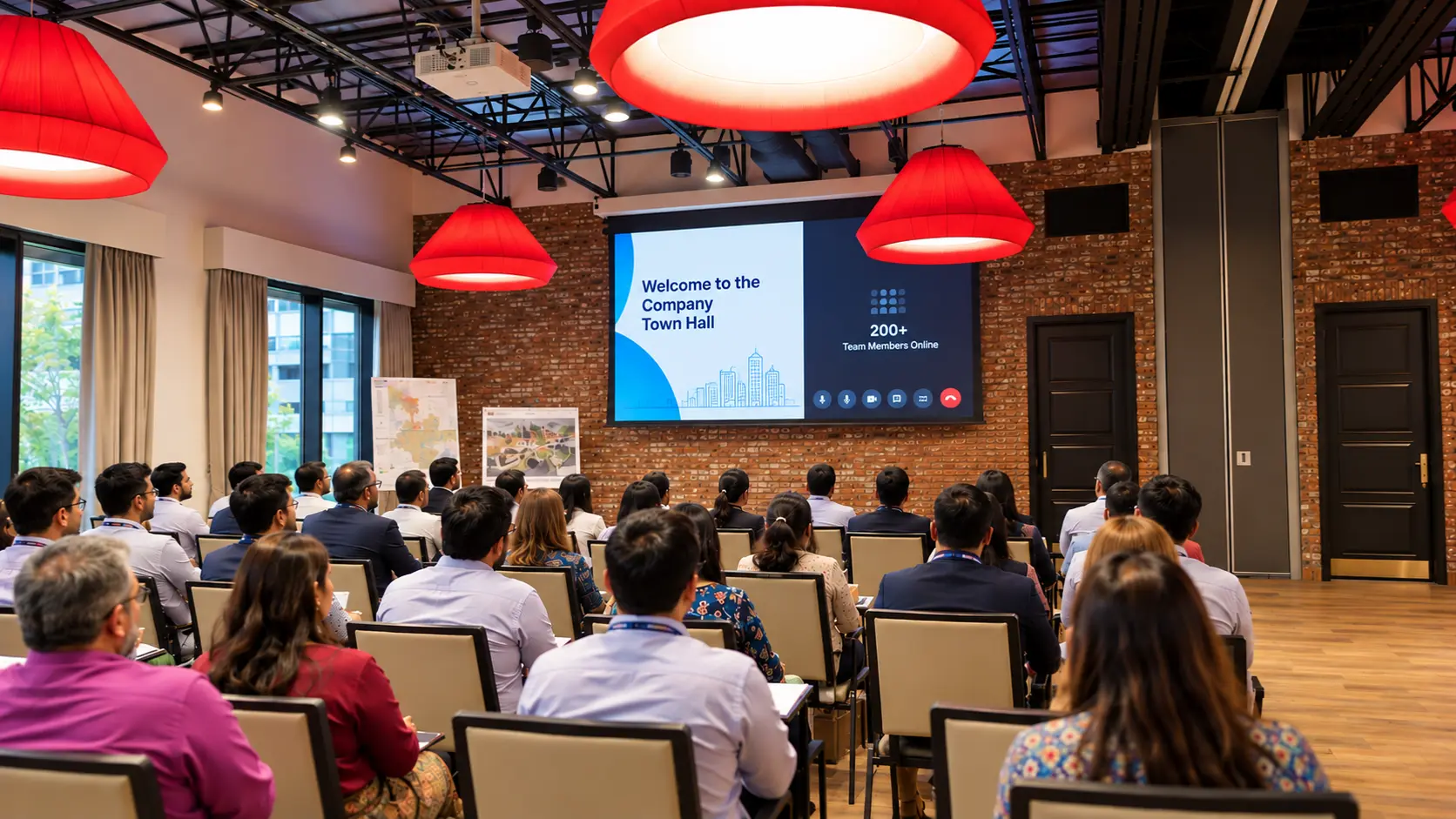
Consider a cafeteria. Is a cafeteria just for eating? In a modern office, a cafeteria serves many roles. It serves as a lunch space. It serves as a town hall. It serves as a collaborative area.
You need the right tech to support these roles. You need sound systems for clear audio. You need displays for presentations. You need lighting control to change the mood. One space becomes many spaces. This saves square footage. This saves money.
What about a boardroom? A boardroom needs to change. One day, you host a local board meeting. The next day, you host a global call. You need high-quality video conferencing. You need unified communication systems. You need the tech to adapt to the meeting size.
The Tech Infrastructure You Need
You must focus on scalable infrastructure. Do not build for the org chart. Build for the activity.
Here are the key areas to focus on:
Unified Communication Systems: These keep remote and local teams in sync. They remove barriers to distance.
Boardrooms: These need smart audio & video to support hybrid participants.
Video Conferencing: This requires high-quality cameras and microphones to ensure every voice counts.
Meeting Rooms: These should function for small groups or large brainstorming sessions.
Cafeteria-Town Halls: These turn into event spaces with the right sound and light control.
Collaboration Spaces: These need digital screens to share ideas quickly.
Non-SOC Rooms: These provide quiet zones for focused work.
Digital Signage: This keeps information fresh and updates in real time.
Light Control Solutions: These create the right environment for work or presentation.
Sound Masking Solutions: These protect privacy in open areas.
These systems do not care about the org chart. They care about productivity. They care about connection. They care about results. When you design with these systems in mind, you future-proof your office.
Making the Shift
You have a choice. You can keep building for today. You can keep moving walls. You can keep wasting money on renovation. Or you can build for the future.
Start by auditing your space. Look at your meeting rooms. Look at your desk arrangements. Ask hard questions. Do these spaces serve the work? Or do they serve the layout?
Most companies find the space serves the layout. This is the wrong approach. The work should drive the space.
Plan for the next three years. Where does the business go? Do you hire more remote workers? Do you plan to enter new markets? Do you need to host more hybrid events? These answers define your infrastructure.
The goal is agility. You want a space that supports any team setup. You want a space that adjusts to any meeting type. You want a space that grows with the business.
Resurgent Provides the Bridge
Your business goal is growth. Growth requires agility. Growth requires clear communication. Growth requires spaces that empower teams.
Resurgent understands this. We provide integrated AV solutions for corporates. We help organizations stay ahead. We help organizations stay agile. We help organizations expand globally.
Audio-video integration goes beyond communication. It transcends spaces. It connects people across locations. It connects people across devices. It empowers teams.
We offer a full suite of services. Whether you need a simple upgrade or a total overhaul, we have the expertise.
Our services include:
Unified Communication Systems: We make sure your teams talk with ease.
Boardrooms: We design spaces for high-stakes decision-making.
Video Conferencing: We ensure your global teams feel like they share the same room.
Meeting Rooms: We create hubs for daily collaboration.
Cafeteria-Town Halls: We transform eating areas into event stages.
Training Rooms: We set up spaces for effective teaching.
Collaboration Spaces: We provide the tools for team success.
NON-SOC Rooms: We maintain privacy and focus.
Digital Signage: We manage your internal messaging.
Light Control Solutions: We create the perfect setting.
Sound Masking Solutions: We ensure privacy and comfort.
Stop designing for a static org chart. Stop building for a version of your company that will not exist tomorrow. Start designing for the future. Start building for agility. Start connecting your teams with technology that adapts.
Contact us today. Let us discuss how our integrated AV solutions help your organization reach its goals. We help you create workspaces that serve your people. We help you create workspaces that serve your growth. We help you create the future of your office.
FAQs
1. Why should I avoid designing my office around my current team chart? The business world changes fast. Static office designs quickly become outdated and limit your team’s ability to grow or adapt.
2. What makes an office layout flexible? Flexible layouts use modular furniture, wireless technology, and multipurpose spaces instead of fixed walls to adjust to new needs instantly.
3. Are flexible designs actually cheaper in the long run? Yes. You avoid the high costs of construction and renovation every time your team structure or business goals change.
4. How does audio-visual technology help with office design? Modern AV solutions connect teams across any distance or device. This allows you to turn any room into a productive hub without moving walls.
5. How can Resurgent help me update my workspace? Resurgent provides integrated AV solutions that help your team stay agile and connected, so contact us today to see how we can support your business goals.
How To Create Consistent Employee Experiences Across Hybrid Town Halls
A company-wide town hall follows one script. Yet the employee in the boardroom hears clear audio while the one joining from a home office fights lag and echo. The auditorium group sees crisp slides. Remote staff squint at pixelated faces. Consistency ends up failing here. This gap hurts engagement. People feel left out when the […]
Most offices focus on boardrooms. Yet daily work happens in smaller spaces. These rooms are where quick discussions, hybrid check-ins, and brainstorming sessions occur. If your huddle rooms feel cramped, sound poor, or take too long to set up, you are not alone. Small meeting rooms often create big operational problems. The reasons are simple […]
Regular AV health checks prevent downtime, improve user experience, and reveal upgrade opportunities that deliver measurable ROI without new installs. Many AV providers still lead with installation pitches. New displays. New microphones. New control systems. But clients are not always asking for new technology. They are asking for reliability. They want every meeting, class, or […]