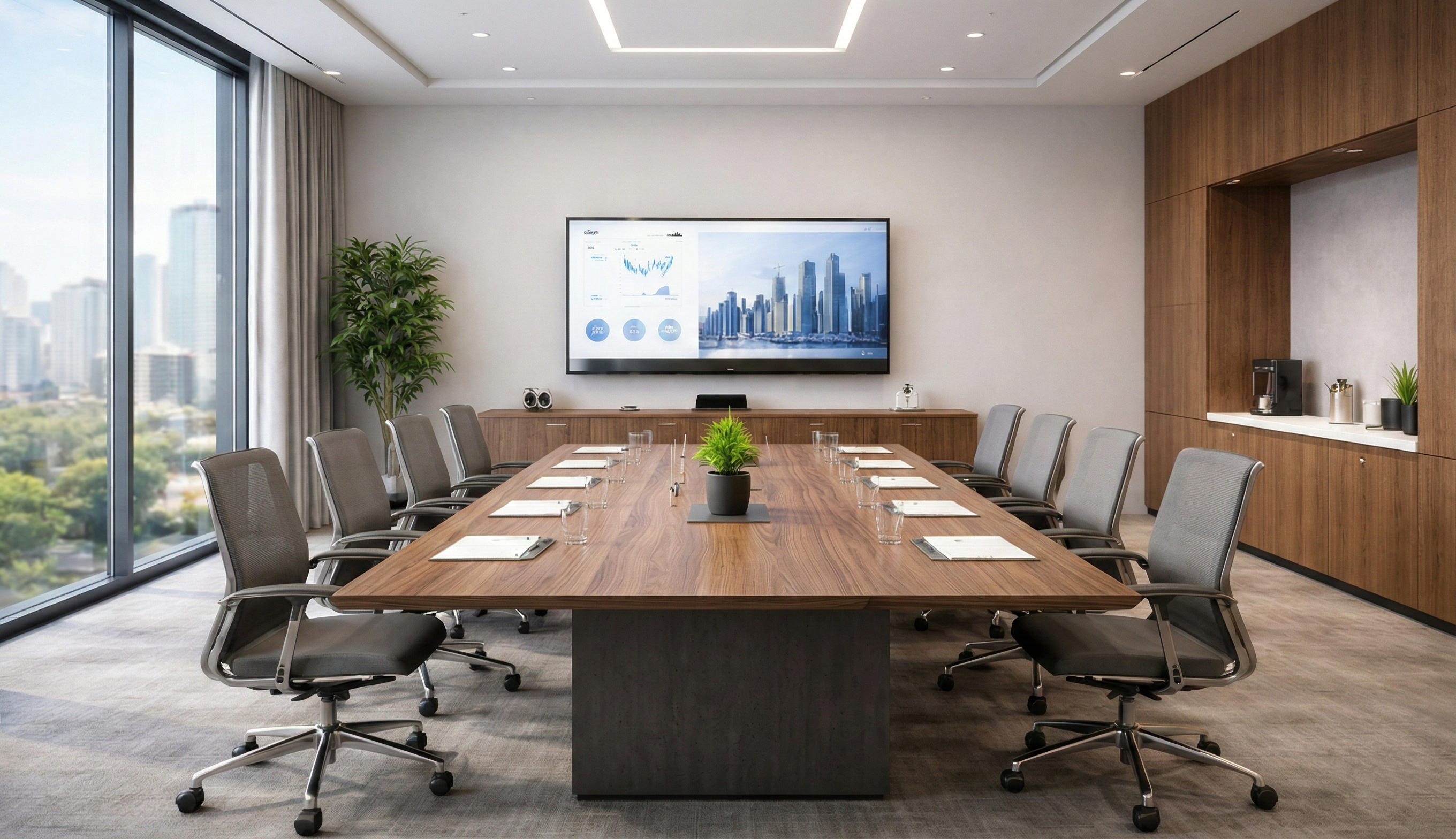
Solutions like Crestron Flex systems integrated with Microsoft Teams provide seamless hybrid functionality. Jabra PanaCast ensures remote participants see every speaker clearly.
When remote and in-room participants share equal visibility and audibility, meeting quality improves.
4. A Quick Comparison
Below is a simplified comparison of intent-driven design versus template-driven design.
A leadership team of 10 meets for two hours weekly. The average hourly executive cost is significant. If poor AV wastes 15 minutes per session, across 50 weeks, you lose more than 125 executive hours annually.
Now multiply across regions.
The cost of redesigning the room intent often proves lower than the cost of recurring inefficiency.
6. Behavior Shapes Technology Needs
Observe how behavior changes by meeting type.
In finance reviews:
People lean forward
Screens dominate attention
Silence increases during analysis
In board meetings:
Speakers present in sequence
Remote participants must remain visible
Confidentiality is high
In cross-region reviews:
Interruptions occur frequently
Non-verbal cues matter
Screen sharing rotates often
One room template fails to support all three behaviors.
7. From Standardization to Intelligent Segmentation
Enterprises should still standardize.
But standardize by category, not by floor.
Define room categories based on intent:
Decision rooms
Review rooms
Collaboration rooms
Training rooms
Innovation rooms
Assign AV and spatial standards to each category.
For example:
Decision rooms
Structured seating
Integrated Crestron Flex systems
Dual displays
Advanced audio coverage
Review rooms
High-resolution displays
Microsoft Surface Hub 2S
Intelligent whiteboarding via Samsung Flip
Collaboration rooms
Flexible furniture
Jabra PanaCast
Wireless sharing through AirServer
This approach keeps procurement predictable while aligning rooms with behavior.
8. The Role of Digital Signage and Scheduling
Meeting room behavior starts before the meeting begins.
PADS4 Digital Signage outside rooms clarifies booking status, meeting purpose, and ownership.
Clear visibility reduces conflicts and delays.
When participants know the intent before entering, expectations align faster.
9. Hybrid Culture Demands Dynamic Rooms
Work culture shifts quickly. Teams move between in-office and remote attendance.
Rigid templates fail under dynamic attendance patterns.
Rooms should support:
Quick device connection
Seamless platform switching
Instant screen sharing
If a room struggles to adapt within minutes, productivity drops.
10. A Practical Framework for Leaders
You can audit your meeting spaces in three steps.
Step 1: Map meeting types List your top five recurring meeting formats. Identify participants, duration, and decision complexity.
Step 3: Align AV to intent Match hardware and layout to observed behavior. Avoid one-size-fits-all procurement.
This process shifts focus from furniture aesthetics to decision performance.
11. Why Enterprises Delay This Shift
Many leaders assume AV equals screens and speakers.
Modern corporate AV spans integration, platform alignment, power management, remote equity, and workflow alignment.
As organizations expand globally, cross-location collaboration intensifies. Audio-video integration no longer serves a single room. It connects people across locations and devices.
Without intent-driven design, global growth multiplies inefficiency.
12. Resurgent Helps You Design for Intent
We design rooms by intent. Finance reviews get precision. Board updates get authority. Cross-region reviews get hybrid equity.
We build scalable infrastructure that simplifies communication and strengthens collaboration across locations.
If your meeting rooms look identical across floors and cities, start asking why.
Your meetings are not identical. Your decisions are not identical. Your rooms should not be identical.
Connect with Resurgent today. Let us assess your meeting environments, redefine room categories, and align AV design with business intent. Transform your meeting spaces into structured decision environments that support your teams today and as you grow into the future.
FAQs
Aren’t all meeting rooms supposed to be the same?
Not if your meetings are different. A finance review, a board update, and a cross-region call need different setups to work well.
What does “designing by intent” really mean?
It means setting up the room around the meeting’s purpose, who speaks, who joins remotely, and how decisions get made.
How do we fix this in our organization?
Partner with Resurgent to assess your meeting types, redefine room categories, and implement AV solutions aligned with real business intent.
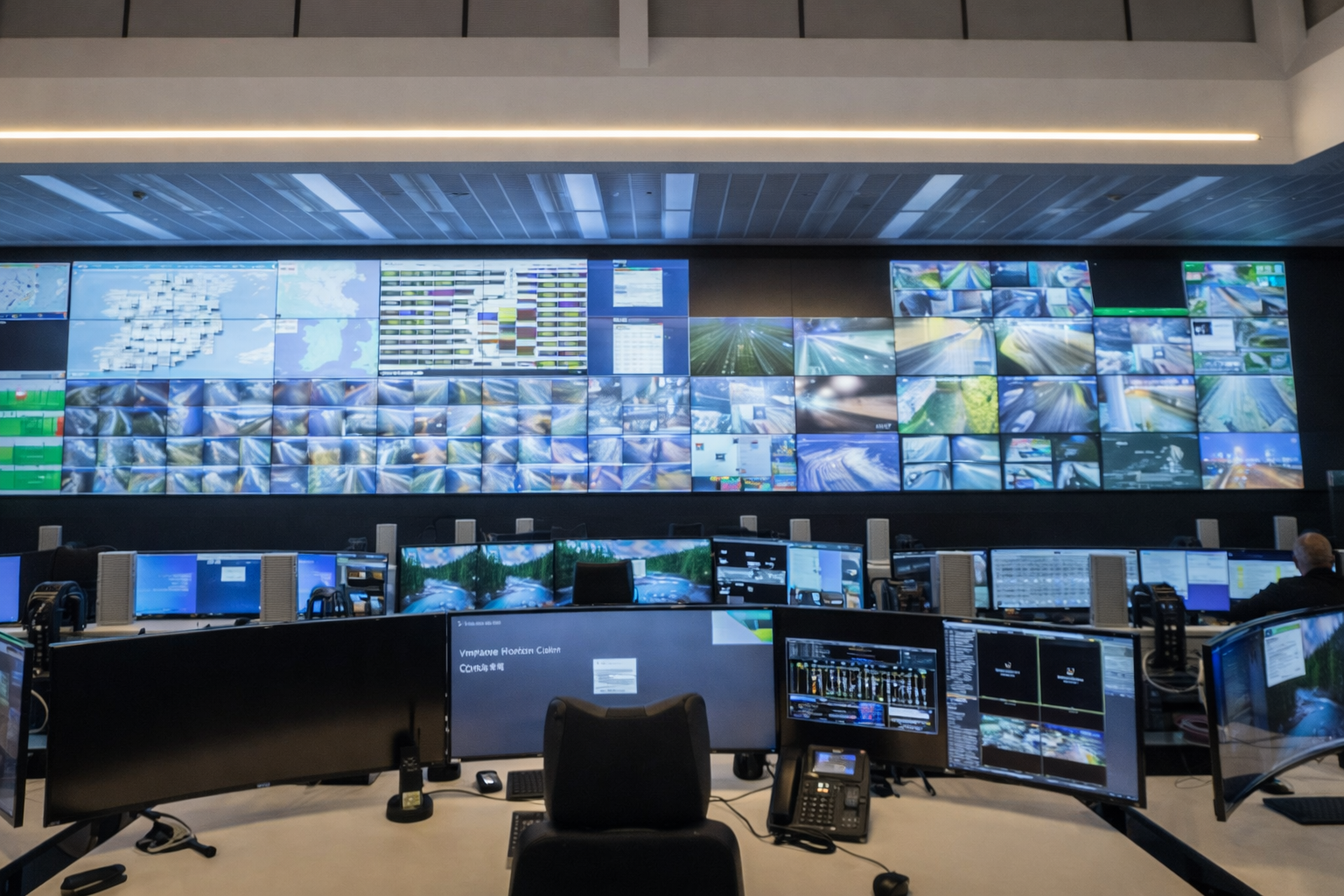
Why Command Centers Fail When the Situation Turns Real
Why command centers fail in real crises and how visibility, coordination, and AV design impact fast, accurate decision-making under pressure You invest in a command center. You test it. You run drills. Everything works. Then a real incident hits. Data floods in. Calls spike. Teams overlap. Decisions slow down. Screens show data, but no one […]
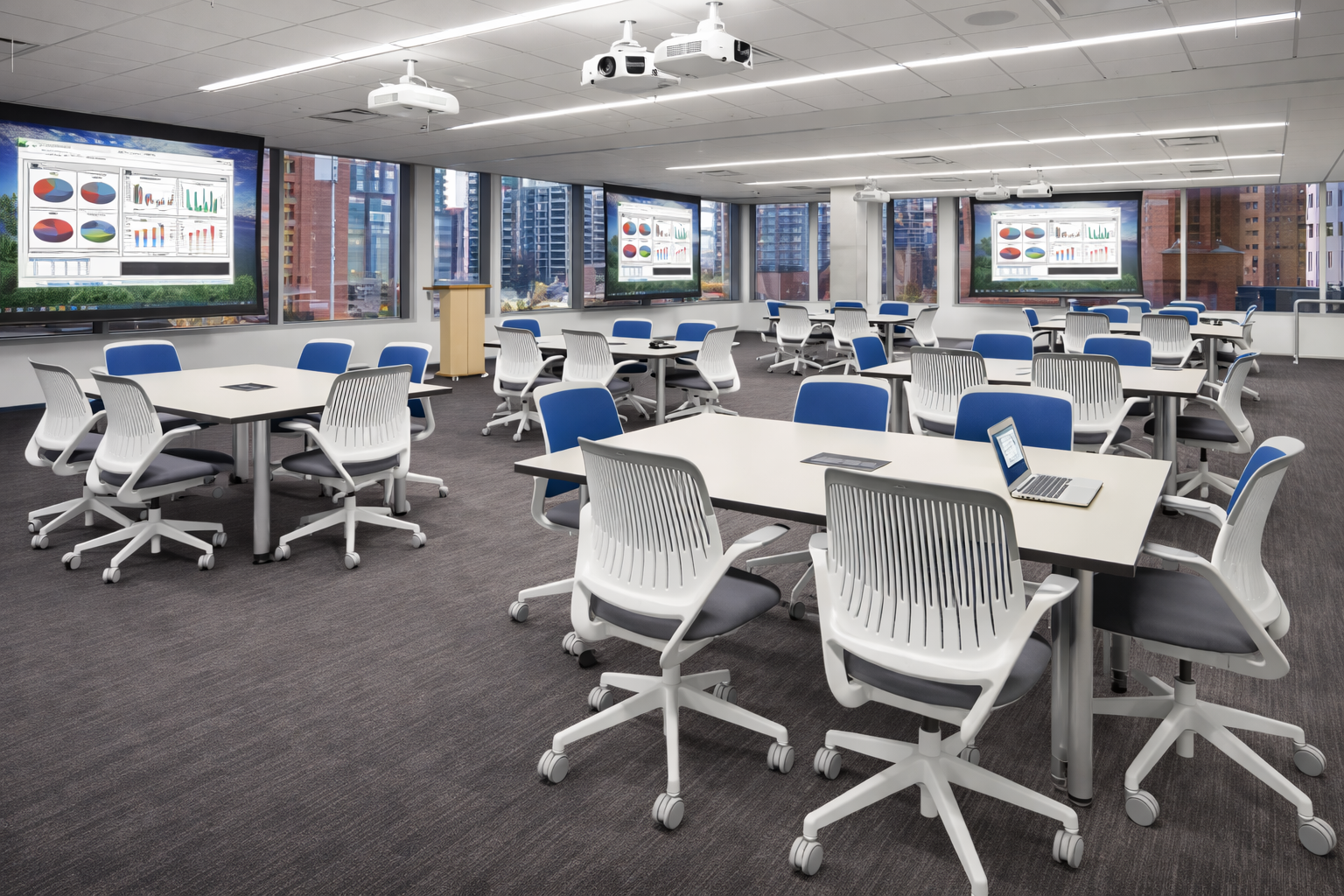
Reskilling at Scale: Why Training Infrastructure Is Now a Strategic Asset
Learn why scalable training infrastructure drives workforce reskilling, improves retention, and supports hybrid learning in modern enterprises. Your teams are learning all the time. New tools arrive every quarter. Compliance rules change without notice. AI reshapes job roles faster than most learning plans adapt. Now ask yourself a simple question – is your training environment […]
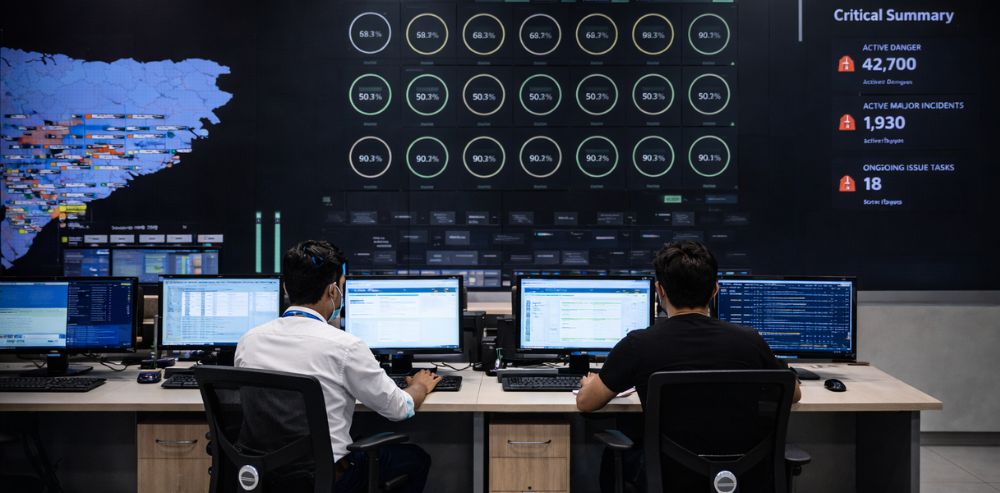
Why Digital War Rooms Are Becoming Essential for Modern Enterprises?
Digital war rooms help enterprises monitor supply chains, cyber threats, networks, and factories in real time. Learn how visual clarity speeds operational decisions. A shipment stalls in transit. A production line slows. A security alert appears in the network logs. Each event triggers a question: Most organizations struggle with these moments. Information spreads across dashboards, […]